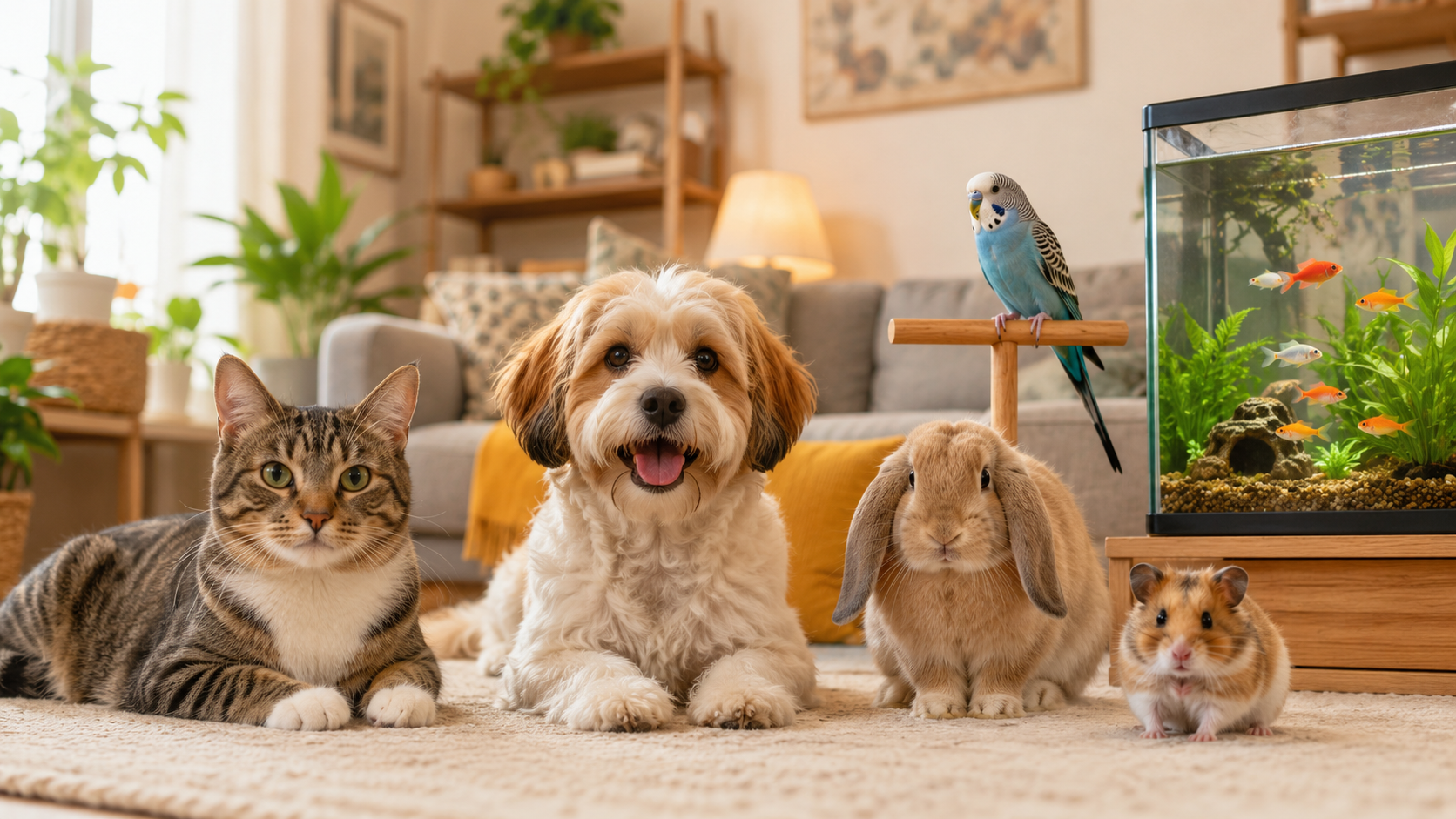
Best Pets for First-Time Owners: Beginner-Friendly Companion Animals
Choosing your first pet is exciting, but it can also feel overwhelming. Some animals look easy online, but need more space, cleaning, time, training, or daily attention than beginners expect.
The best pet for a first-time owner is not always the cutest one. It is the pet that fits your home, schedule, budget, noise tolerance, and comfort level.
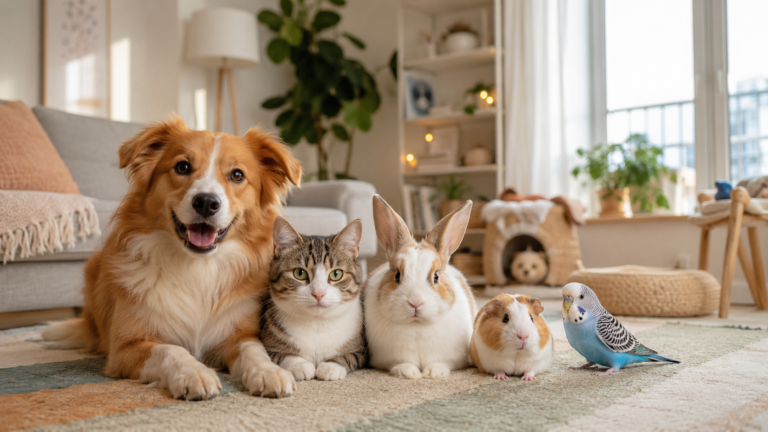
In this guide, we’ll look at beginner-friendly companion animals, including cats, small dogs, fish, hamsters, guinea pigs, rabbits, birds, and more.
Note: The Pet Room shares general pet lifestyle information. We do not provide veterinary or medical advice. For health concerns, always contact a qualified veterinarian.
What Makes a Pet Good for First-Time Owners?
A beginner-friendly pet usually has a few important traits:
- manageable daily care
- clear feeding and cleaning routines
- realistic space needs
- lower risk of overwhelming a new owner
- easy-to-understand behavior
- supplies that are simple to find
- a lifestyle fit that matches your home
No pet is completely “easy.” Every animal needs care, attention, and responsibility. But some pets are easier for beginners to understand than others.
Before choosing your first pet, think honestly about how much time, space, and money you can give.
1. Cats
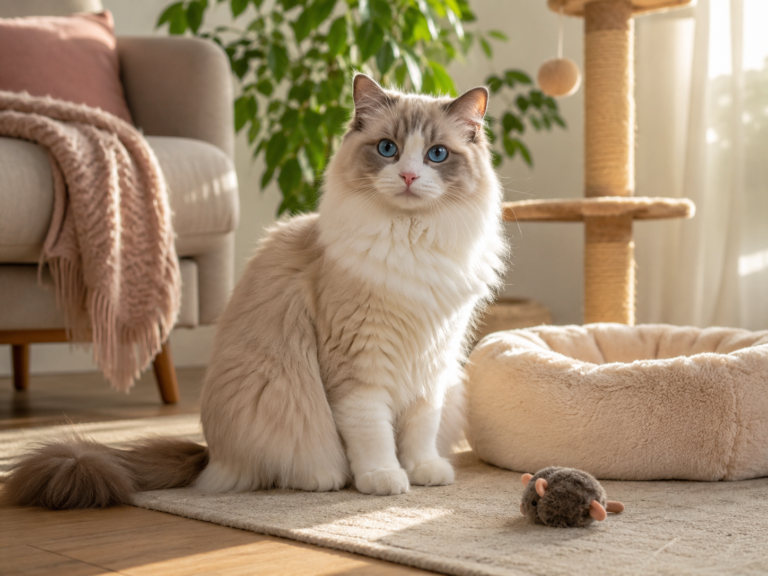
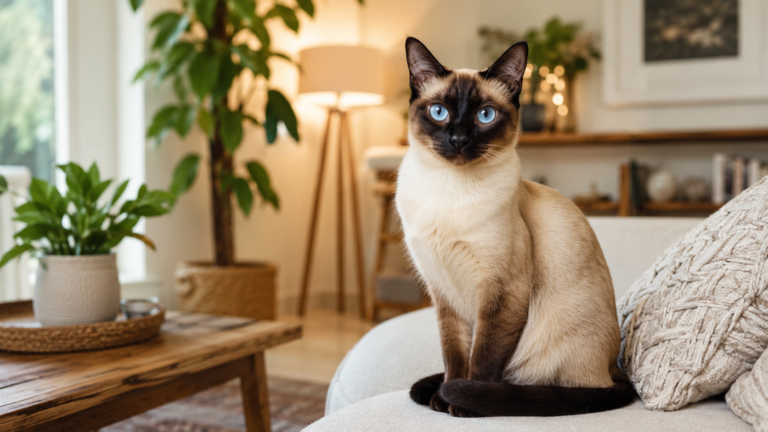
Cats can be a great choice for many first-time pet owners, especially people who want an indoor companion with a more independent personality.
Many cats adapt well to apartment or house living, and they do not need outdoor walks like dogs. They use a litter box, enjoy quiet routines, and can be affectionate without needing constant attention every hour of the day.
Why cats can work for beginners
Cats are often a good fit because their daily routine is fairly simple:
- food and fresh water
- litter box cleaning
- playtime
- scratching posts
- safe resting spots
- basic grooming, depending on coat type
A cat can be a good first pet for someone who wants companionship but may not be ready for the walking, training, and daily structure that a dog requires.
Things to consider
Cats still need attention and enrichment. Some are very social and may not enjoy being alone for long periods. Long-haired cats may also need more brushing than short-haired cats.
2. Small Dogs
Small dogs can be good first pets, but beginners should not choose a dog only because it is small.
Some small dogs are calm and affectionate. Others are vocal, energetic, stubborn, or sensitive. The right small dog can be a wonderful companion, but dogs generally require more time and structure than many other beginner pets.
Why small dogs can work for beginners
Small dogs may fit well if you want:
- a very interactive pet
- a companion that enjoys attention
- daily walks and play
- training and bonding time
- a pet that feels like part of the family routine
Things to consider
Dogs need bathroom routines, training, socialization, exercise, grooming, toys, and attention. First-time owners should be ready for daily responsibility, not just cute moments.
A calm adult dog can sometimes be easier for beginners than a very young puppy.
3. Fish
Fish can be a peaceful and beginner-friendly option for people who enjoy calm, visual pets.
A small, well-planned aquarium can fit nicely in an apartment, bedroom, or home office. Fish do not need walks, grooming, or direct handling, which can make them appealing to first-time owners.
Why fish can work for beginners
Fish may be a good fit if you want:
- a quiet pet
- a calming home feature
- no fur or litter box
- a pet that does not need handling
- a peaceful daily routine
Things to consider
Fish are not decoration. They need a proper tank setup, clean water, filtration, feeding routines, and regular maintenance. Beginners should start simple and learn basic aquarium care before choosing fish.
4. Hamsters
Hamsters are small, cute, and popular with beginners, but they still need proper care.
They can work well for first-time owners who want a small pet and are willing to provide a good enclosure, bedding, enrichment, and cleaning routine.
Why hamsters can work for beginners
Hamsters can be a good fit because they:
- do not take up much room
- are usually quiet during the day
- can live in a small home or apartment
- are interesting to watch
- have simple daily feeding routines
Things to consider
Hamsters are often more active at night. They may not be ideal if you want a pet that is playful during the day. They also need more space and enrichment than many tiny cages provide.
5. Guinea Pigs
Guinea pigs can be gentle, social, and charming pets. They are often more interactive than hamsters and can be easier for beginners to observe and understand.
However, they need more space than many new owners expect.
Why guinea pigs can work for beginners
Guinea pigs may be a good choice for people who want:
- a gentle small pet
- a social animal
- a pet that is fun to watch
- a companion that can become familiar with routines
- a pet suitable for supervised family care
Things to consider
Guinea pigs usually do best with companionship, so many owners keep them in pairs. They also need a roomy enclosure, regular cleaning, fresh food routines, and gentle handling.
6. Rabbits
Rabbits can be wonderful companions, but they are not as simple as many beginners assume.
They are quiet, expressive, and can live indoors, but they need safe space, enrichment, gentle handling, and a home that is prepared for chewing and exploring.
Why rabbits can work for some beginners
Rabbits may be a good fit if you want:
- a quiet companion
- an indoor pet with personality
- a gentle animal to observe and care for
- a pet that does not bark or meow
- a calm home routine
Things to consider
Rabbits need rabbit-proofed spaces, proper housing, cleaning, enrichment, and careful handling. They may chew cords, furniture, or baseboards if the home is not prepared.
They are better for patient first-time owners who want to learn before choosing.
7. Budgies
Budgies, also called parakeets, can be bright, social, and entertaining small birds.
They can be good for first-time bird owners, especially people who enjoy sound, movement, and daily interaction.
Why budgies can work for beginners
Budgies can be a good fit because they:
- are small
- can be very social
- are fun to watch
- can fit in smaller homes with a proper cage
- have engaging personalities
Things to consider
Birds are not silent. Budgies can chirp often, and they need cage cleaning, toys, interaction, and a safe environment. They also require patience if you want them to become comfortable with you.
8. Adult Rescue Pets
For some first-time owners, an adult rescue cat or adult dog may be a better choice than a baby animal.
Puppies and kittens are adorable, but they can require lots of training, supervision, cleaning, and patience.
An adult pet may already have a more settled personality, making it easier to understand whether the animal fits your home and routine.
Why adult pets can work for beginners
Adult pets may be a good choice if you want:
- a clearer idea of personality
- less chaos than a young puppy or kitten
- a companion with established habits
- a pet that may be calmer than a baby animal
Things to consider
Every animal is different. Ask questions about behavior, energy level, grooming needs, comfort with people, and lifestyle fit before choosing.
9. Pets That May Be Harder for First-Time Owners
Some pets are amazing, but not always the easiest choice for beginners.
These may include:
- very high-energy dog breeds
- large parrots
- ferrets
- chinchillas
- exotic pets with special care needs
- animals that require complex housing
- pets with strict temperature or environment needs
This does not mean beginners can never own them. It means they require more research, preparation, and commitment.
Best First Pets by Lifestyle
Best for apartment living
- cats
- fish
- hamsters
- budgies
- calm small dogs
- rabbits, with proper setup
Best for quiet homes
- fish
- cats
- rabbits
- hamsters
- guinea pigs
Best for people who want interaction
- cats
- small dogs
- guinea pigs
- budgies
- rabbits
Best for busy people
- adult cats
- fish, with proper setup
- hamsters
- some low-maintenance small pets
Best for families
- cats
- calm dogs
- guinea pigs
- rabbits, with supervision
- beginner-friendly fish tanks
Questions to Ask Before Getting Your First Pet
Before choosing your first pet, ask yourself:
- How much time can I give every day?
- How much space do I have?
- How much noise is acceptable in my home?
- Can I afford food, supplies, toys, cleaning items, and care?
- Do I want a pet I can handle, train, watch, or simply care for?
- Am I ready to clean cages, tanks, litter boxes, or pet spaces?
- Is this pet allowed where I live?
- Am I choosing because the pet fits my life, or just because it looks cute?
That last question matters a lot. Cute does not always mean easy.
Basic Supplies First-Time Pet Owners May Need
Depending on the animal, a beginner pet setup may include:
- food and water bowls
- bedding or litter
- cage, tank, carrier, or enclosure
- toys and enrichment
- grooming brush
- scratching post
- safe chew toys
- cleaning supplies
- pet food storage
- beginner care checklist
- comfortable resting area
Starting with the right setup makes pet care much easier.
Final Thoughts: Which Pet Is Best for First-Time Owners?
The best pet for a first-time owner is the one that fits your real life.
Cats, calm small dogs, fish, hamsters, guinea pigs, rabbits, and budgies can all be good options for beginners in the right home. But each pet has different needs, costs, routines, and personality traits.
If you want an independent companion, a cat may be a strong choice. If you want interaction and daily activity, a small dog or budgie may fit better. If you want a quiet, calming setup, fish may be ideal. If you want a small pet, hamsters or guinea pigs may be worth considering.
Choose slowly, prepare your home first, and focus on the pet that truly matches your lifestyle.
Read Next
- Best Pets for Apartments: Friendly Options for Small Homes
- Best Small Pets for Kids
- Hamster vs Guinea Pig: Which Small Pet Is Better?
- Rabbit as a Pet: Pros and Cons for Beginners
- Budgie as a Pet: Beginner-Friendly Guide

34 Comments