Best Small Pets for Kids: Cute, Friendly, and Beginner-Friendly Options
Small pets can be exciting for kids. They are cute, fun to watch, and often feel less overwhelming than a dog or cat. But small does not always mean easy.
Some small pets need more space, cleaning, supervision, patience, and daily care than families expect. The best small pet for a child is not just the cutest one. It is the pet that fits your home, schedule, budget, and your child’s age and responsibility level.
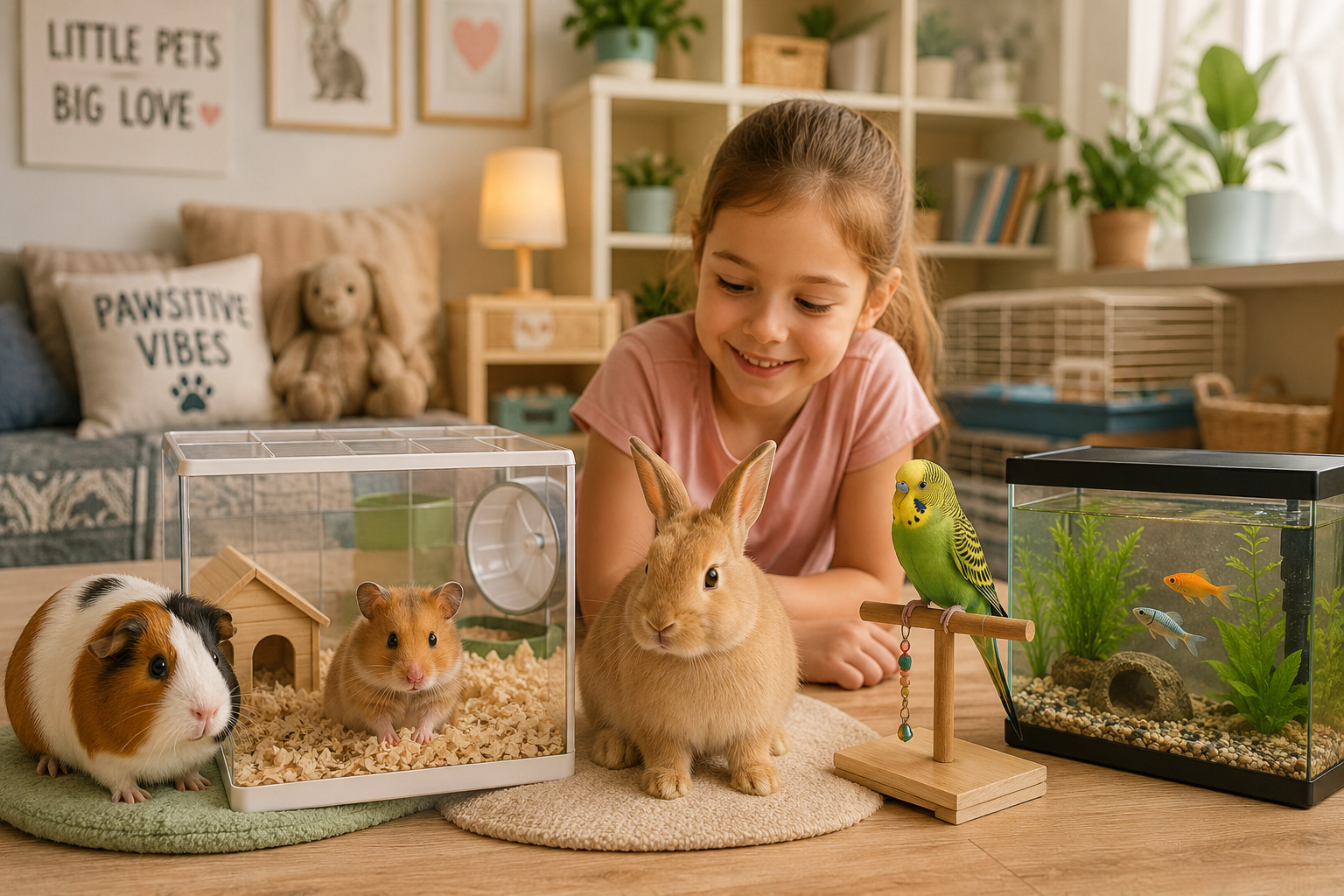
In this guide, we’ll look at beginner-friendly small pets for kids, including guinea pigs, hamsters, rabbits, fish, budgies, gerbils, and more.
Note: The Pet Room shares general pet lifestyle information. We do not provide veterinary or medical advice. For health concerns, always contact a qualified veterinarian.
What Makes a Small Pet Good for Kids?
A good small pet for kids usually has a few important traits:
- manageable daily care
- safe, supervised interaction
- clear cleaning routines
- realistic space needs
- gentle handling requirements
- beginner-friendly supplies
- a temperament that fits family life
The most important thing to remember is this: a child should not be the only person responsible for a pet. Adults should always supervise care, handling, cleaning, and feeding.
1. Guinea Pigs
Guinea pigs are often one of the better small pet options for families. They are gentle, social, and usually easier to observe than very tiny pets.
They can be a good fit for kids because they are active during the day, make cute sounds, and can become familiar with daily routines.
Why guinea pigs can be good for kids
Guinea pigs can work well for families because they:
- are social and expressive
- are usually easier to see and handle than tiny pets
- can be gentle with proper supervision
- are fun for kids to watch
- have clear daily routines
Things to consider
Guinea pigs need more space than many people expect. They also need regular cleaning, fresh food routines, and gentle handling.
They often do best with another guinea pig companion, so families should research proper housing before choosing them.
2. Hamsters
Hamsters are small, cute, and popular with children, but they are not always the easiest pet for kids.
They can be a good option for families who understand that hamsters are often more active at night and may not always enjoy being handled.
Why hamsters can work for some families
Hamsters may be a good fit because they:
- do not need a large room
- are interesting to watch
- can live in a small home or apartment
- have simple feeding routines
- are cute and entertaining
Things to consider
Hamsters are often nocturnal, which means they may sleep during the day and become active at night. This can be disappointing for kids who want daytime interaction.
They also need a proper enclosure, bedding, enrichment, a wheel, and regular cleaning.
3. Fish
Fish can be a peaceful and beginner-friendly pet option for families who want something quiet and calming.
A small aquarium can teach kids responsibility, routine, and observation without the need for handling.
Why fish can be good for kids
Fish may work well for families because they:
- are quiet
- do not need handling
- can be calming to watch
- fit well in small homes
- can help kids learn daily routines
Things to consider
Fish are not zero-maintenance pets. Tanks need cleaning, filters, feeding routines, and proper setup. Adults should always manage the tank setup and maintenance, especially at the beginning.
For families, it is best to start simple and learn basic aquarium care before choosing fish.
4. Rabbits
Rabbits can be wonderful pets, but they are not as simple as many people think.
They are quiet, cute, and full of personality, but they need space, safe exercise time, gentle handling, and a rabbit-proofed home.
Why rabbits can work for families
Rabbits may be a good fit if the family wants:
- a quiet companion
- a gentle indoor pet
- a pet with personality
- an animal that does not bark or meow
- a pet that can live indoors with the right setup
Things to consider
Rabbits are delicate and do not always enjoy being picked up. They may chew cords, furniture, or baseboards if the home is not prepared.
They are better for families with patient children and adult supervision.
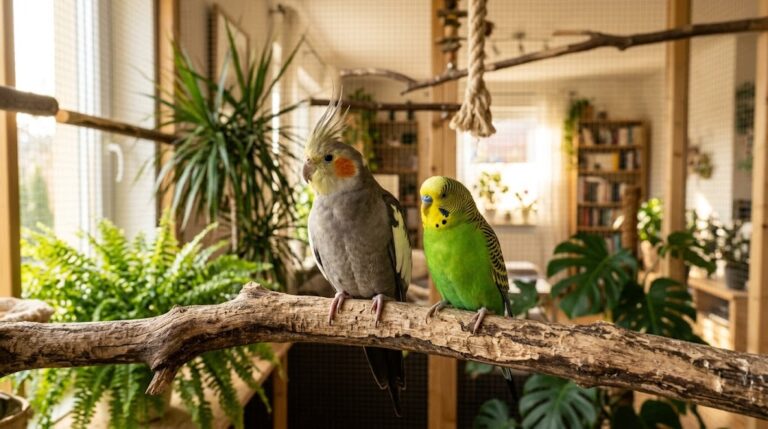
5. Budgies
Budgies, also called parakeets, can be bright, social, and fun small pets for families.
They are active, colorful, and entertaining to watch. Some budgies can become comfortable with people over time, especially with patient, gentle interaction.
Why budgies can be good for kids
Budgies can work well because they:
- are small and colorful
- are fun to watch
- can be social
- fit in smaller homes with a proper cage
- have engaging personalities
Things to consider
Budgies can be noisy. They chirp, move, and need daily interaction, cage cleaning, toys, and a safe environment.
They are not the best choice for families who want a silent pet.
6. Gerbils
Gerbils can be active, curious, and fun to watch. They are often more active during the day than hamsters, which can make them more interesting for children.
They are small and quick, so handling should always be gentle and supervised.
Why gerbils can work for families
Gerbils may be a good fit because they:
- are active and entertaining
- enjoy digging and exploring
- can be fun to observe
- do not need a huge amount of space
- may be more active during daytime than hamsters
Things to consider
Gerbils are fast and delicate. They are better for children who can be calm and gentle. They also need proper bedding, enrichment, and a safe enclosure.
7. Mice or Rats
Pet mice and rats can be intelligent and interesting, but they are not for every family.
Rats especially can be social, curious, and interactive. Mice are smaller and quicker, which can make handling more challenging for younger children.
Why they may work for some families
They may be a good fit for families who want:
- smart small pets
- active animals to watch
- pets with interesting behavior
- a smaller setup than larger pets
Things to consider
Some parents may not feel comfortable with mice or rats as pets. They also need clean housing, enrichment, safe handling, and regular care.
These pets may be better for older children with adult guidance.
8. Chinchillas
Chinchillas are soft, cute, and unique, but they are usually not the easiest small pet for kids.
They need special care, a proper enclosure, dust baths, and gentle handling. They can also be sensitive and may not enjoy being cuddled.
Why chinchillas are interesting
Chinchillas are:
- very soft
- quiet
- unique
- fun to watch
- appealing to families who want an unusual pet
Things to consider
Chinchillas are not ideal for very young children. They are better for older, careful kids and adults who are ready to learn their specific needs.
Best Small Pets for Different Types of Kids
Best for kids who like watching pets
- fish
- hamsters
- gerbils
- budgies
- rabbits
Best for gentle, supervised interaction
- guinea pigs
- rabbits
- budgies
- rats, for older kids
- calm adult small pets
Best for quiet homes
- fish
- rabbits
- guinea pigs
- chinchillas
Best for families in apartments
- fish
- hamsters
- gerbils
- guinea pigs
- budgies
- rabbits, with proper setup
Best for younger children
For younger children, the best option is usually a pet that adults fully manage while the child helps with simple supervised tasks.
Good options may include:
- fish
- guinea pigs
- rabbits, with supervision
- calm pets that do not require rough handling
Small Pets That May Be Harder for Kids
Some small pets are cute but may be harder for children, especially without adult help.
These may include:
- very fast tiny pets
- animals that are active mostly at night
- pets that dislike handling
- exotic pets with special temperature or housing needs
- animals that require delicate care
- pets that need large enclosures despite being small
Cute does not always mean kid-friendly.
Questions Parents Should Ask First
Before choosing a small pet for a child, ask:
- Who will clean the enclosure?
- Who will feed the pet every day?
- Is the child calm enough for gentle handling?
- Does the pet need companionship?
- How much space does the enclosure really need?
- Is the pet active during the day or night?
- Can the family afford supplies, bedding, food, toys, and care?
- Is everyone in the home comfortable with this animal?
- Is the pet allowed where you live?
- Are adults ready to supervise the care long-term?
A small pet is still a real responsibility.
Basic Supplies for Small Pets
Depending on the animal, families may need:
- a proper enclosure or tank
- bedding or litter
- food and water bowls
- chew toys
- hiding spots
- enrichment toys
- cleaning supplies
- cage accessories
- safe handling items
- food storage
- beginner care checklist
Starting with the right setup helps prevent stress for both the pet and the family.
Final Thoughts: Which Small Pet Is Best for Kids?
The best small pet for kids depends on the child, the home, and the adults who will supervise care.
Guinea pigs can be gentle and social. Hamsters are cute and small, but often active at night. Fish are quiet and calming, but still need proper tank care. Rabbits are charming, but need space and gentle handling. Budgies are colorful and social, but can be noisy. Gerbils can be fun to watch, while rats may be interesting for older kids.
The best choice is not always the cutest animal. It is the pet that fits your family’s space, routine, patience, and care level.
Choose slowly, prepare the setup first, and make sure adults are ready to help every day.
Read Next
- Best Pets for Apartments: Friendly Options for Small Homes
- Best Pets for First-Time Owners: Beginner-Friendly Companion Animals
- Hamster vs Guinea Pig: Which Small Pet Is Better?
- Rabbit as a Pet: Pros and Cons for Beginners
- Budgie as a Pet: Beginner-Friendly Guide

One Comment