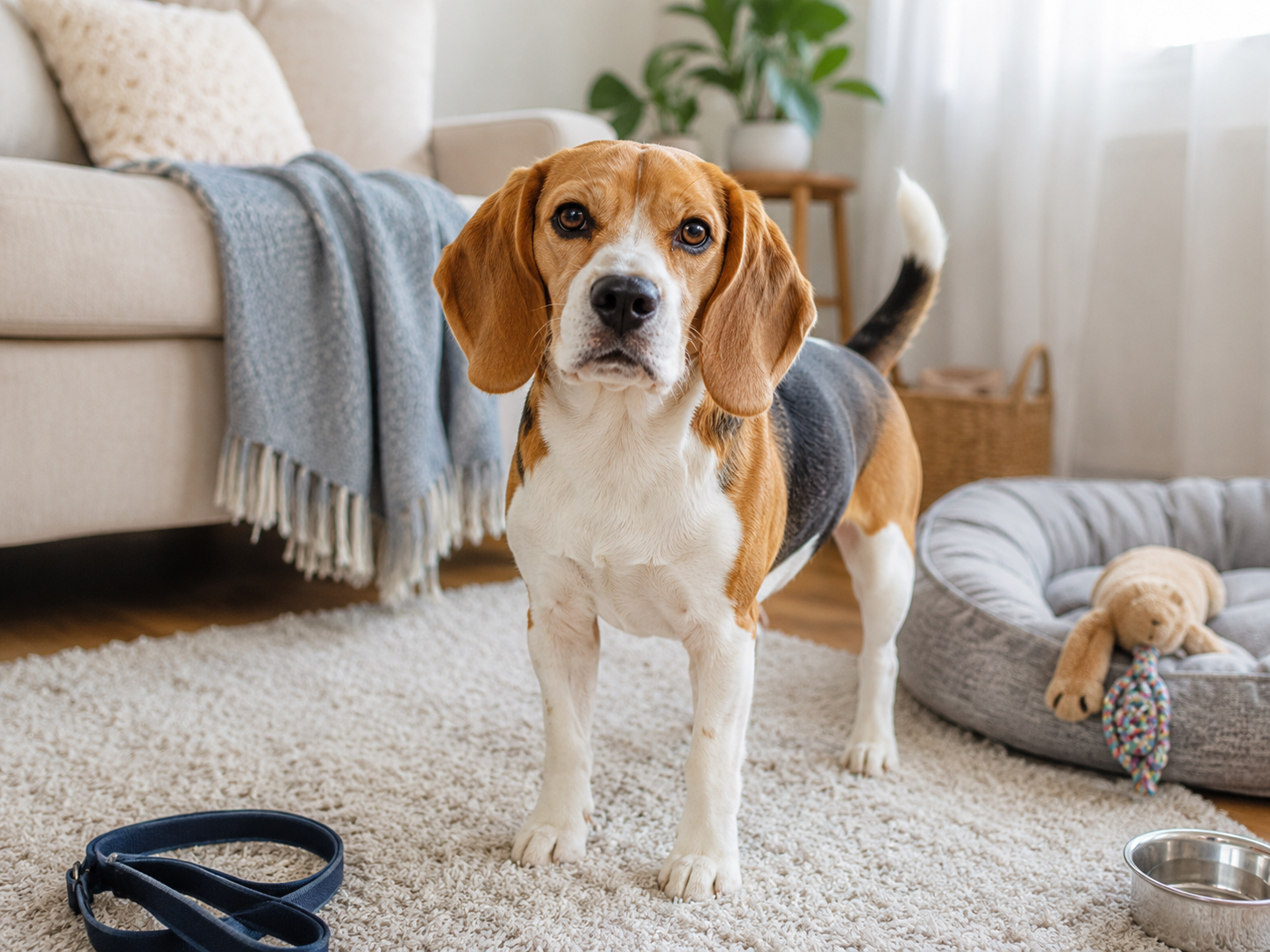
Beagle as a Pet: Is This Curious Family Dog Right for You?
The Beagle is one of the most recognizable and lovable family dog breeds.
With floppy ears, big eyes, a wagging tail, and a curious nose, the Beagle can look like the perfect cheerful companion. Many people love this breed because it is friendly, playful, social, and full of personality.
But before choosing a Beagle, it is important to understand what daily life with this breed is really like.
A Beagle is not just a cute dog with a sweet face. This breed is curious, scent-driven, energetic, vocal, food-motivated, and often very social. Beagles usually need daily walks, sniffing time, training, enrichment, structure, and patient owners.
If you want a friendly family dog that enjoys activity, companionship, and exploring the world with its nose, a Beagle may be a great match.
If you want a very quiet dog, a low-energy couch potato, or a dog that can easily be trusted off-leash without training and supervision, this breed may not be the easiest fit.
The Pet Room shares general pet lifestyle information. We do not provide veterinary or medical advice. For health concerns, diet concerns, behavior issues, or breed-specific questions, always speak with a qualified veterinarian, professional trainer, or responsible breeder.
What Is a Beagle?
The Beagle is a small to medium-sized hound breed known for its friendly personality, strong nose, floppy ears, and curious nature.
Beagles were originally developed as scent hounds, which explains much of their modern behavior. They love sniffing, exploring, following scents, and investigating everything around them.
A Beagle is usually:
- friendly
- curious
- playful
- social
- scent-driven
- food-motivated
- affectionate
- energetic
- vocal
- loyal
Beagles are often wonderful companions, but they are not always the easiest breed for people who want a quiet, low-effort dog.
Their nose is powerful, and their curiosity can be stronger than their desire to listen.
If you are comparing beginner-friendly pets, read this too: Best Pets for First-Time Owners
Beagle Personality
The Beagle’s personality is one of the biggest reasons people love this breed.
Many Beagles are happy, friendly, funny, affectionate, and social. They often enjoy being around people and may do well in family homes where they get attention and activity.
A Beagle may be:
- cheerful
- playful
- curious
- affectionate
- social
- stubborn at times
- scent-focused
- vocal
- food-loving
- eager to explore
Beagles often have a “busy nose.” They may sniff the floor, furniture, doors, bags, grass, sidewalks, and anything that smells interesting.
This is normal for the breed.
A Beagle’s nose is one of its strongest traits, but it can also make training more challenging.
Is a Beagle Good for Families?
A Beagle can be a very good family dog in the right home.
Many Beagles are affectionate, playful, and social. They often enjoy being part of family life and may be good with children when both the dog and children are taught respectful behavior.
A Beagle may be good for families who want:
- a friendly dog
- a playful companion
- a social pet
- a dog that enjoys walks
- a dog with a fun personality
- a medium-energy family companion
However, Beagles still need training and supervision.
Children should not chase, tease, pull, climb on, or take food from a dog. Beagles can be food-motivated, so teaching polite food manners is important.
A Beagle can bring a lot of joy to a family, but it also needs structure.
Is a Beagle Good for Apartments?
A Beagle can live in an apartment, but it depends on the owner’s routine.
Beagles are not huge dogs, but they are active and can be vocal. Apartment living may work if the Beagle gets enough walks, sniffing time, enrichment, and training.
A Beagle may fit apartment life if you can provide:
- daily walks
- sniffing time
- puzzle toys
- scent games
- consistent training
- enough attention
- a predictable routine
- management for barking or howling
A Beagle may be harder in an apartment if it is left alone too much, gets bored, or barks at every sound.
For more apartment-friendly pet ideas, read: Best Pets for Apartments
Beagle Energy Level
Beagles usually have moderate to high energy.
They are not usually lazy dogs. They enjoy walking, sniffing, playing, exploring, and using their nose.
A Beagle may enjoy:
- daily walks
- sniff walks
- scent games
- puzzle toys
- food puzzles
- fetch
- tug toys
- training games
- backyard play
- family activity
A bored Beagle can become noisy, destructive, or mischievous.
This breed often does best when the body and nose both get something to do.
A regular walk is good.
A walk with sniffing time is even better.
Does a Beagle Need a Lot of Attention?
Yes, many Beagles need regular attention and companionship.
Beagles are social dogs. Many enjoy being around people and may not be happy if ignored for long hours every day.
A Beagle may not be ideal if:
- everyone is away from home all day
- you want a very quiet dog
- you dislike barking or howling
- you want a very low-energy pet
- you do not want daily walks
- you expect easy off-leash freedom
- you dislike training
Beagles usually do best with people who enjoy active, curious, funny dogs.
They want to be part of the pack.
Beagle Grooming Needs
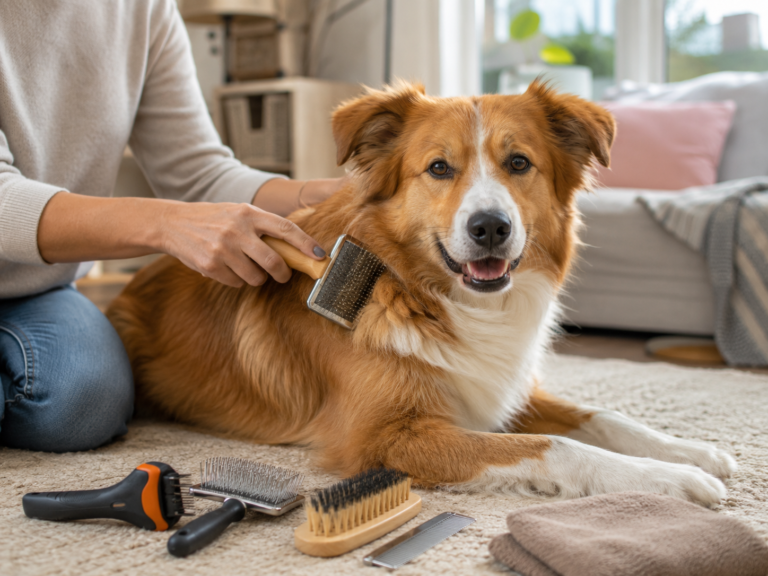
Beagles have short coats, so grooming is usually simple compared with long-haired breeds.
However, simple does not mean no grooming.
Basic Beagle grooming may include:
- weekly brushing
- wiping paws after walks
- checking ears
- keeping nails trimmed
- bathing when appropriate
- cleaning bedding
- managing shedding
- checking the coat after outdoor sniffing
A soft bristle brush, rubber grooming brush, or grooming mitt can help remove loose hair and keep the coat neat.
If you want help choosing grooming tools, read this guide: Best Dog Brushes for Shedding: What Beginners Should Know
Does a Beagle Shed?
Yes, Beagles do shed.
Their coat is short, but loose hair can still appear on furniture, blankets, rugs, and clothing. Shedding is usually manageable, but it should be expected.
To manage Beagle shedding, you may need:
- regular brushing
- washable blankets
- lint rollers
- vacuuming
- a grooming mitt
- simple coat care routine
A Beagle is not a no-shed dog.
The good news is that coat care is usually easier than with many long-haired breeds.
Beagle Training
Beagles are smart, but they can be stubborn.
This is one of the most important things for beginners to understand. A Beagle may know what you want, but if an exciting scent is nearby, the nose may win.
Training should be positive, consistent, and rewarding.
Good training goals include:
- name recognition
- recall basics
- leash walking
- polite greetings
- house training
- basic cues
- calm alone-time practice
- food manners
- impulse control
- focus around distractions
Food rewards often work well with Beagles because many are very food-motivated.
Keep training short, fun, and consistent.
Can Beagles Be Off-Leash?
Beagles can be difficult off-leash because they are scent hounds.
If a Beagle catches an interesting smell, it may follow the scent and ignore calling. This can be dangerous near roads, woods, open fields, or unfamiliar areas.
For safety, many Beagle owners use:
- secure fenced yards
- long training lines
- strong recall practice
- supervised play areas
- comfortable harnesses
- reliable leashes
A Beagle’s nose is powerful.
Do not assume your Beagle will stay close just because it loves you.
Beagle Barking and Howling
Beagles can be vocal.
They may bark, howl, bay, or make expressive sounds. This is part of their hound background, but it can surprise new owners.
A Beagle may bark or howl when:
- it hears noises
- it smells something interesting
- it is excited
- it wants attention
- it feels lonely
- it is bored
- someone comes to the door
- it sees animals outside
If you want a very quiet dog, a Beagle may not be the best match.
Training, enrichment, routine, and enough activity can help, but vocal behavior should be expected.
Beagle With Other Pets
Many Beagles can live well with other pets when introduced carefully.
Because Beagles are social dogs, some enjoy other dogs and may like having a companion. However, every dog is different.
A Beagle may do well with:
- other friendly dogs
- respectful children
- supervised family pets
- calm introductions
- dogs with compatible energy
Because Beagles are scent-driven, care should be taken around small pets. Supervision and management matter.
Do not assume every Beagle will automatically be safe with every animal.
What Kind of Home Is Best for a Beagle?
A Beagle is usually best for a home that enjoys activity, humor, patience, and daily routine.
This breed may be a great match if you want:
- a friendly family dog
- a playful companion
- a dog that enjoys walks
- a social pet
- a medium-sized dog
- a curious personality
- a dog for scent games and enrichment
- a loyal companion
A Beagle may not be best if you want:
- a very quiet dog
- a low-energy couch potato
- a dog that can be off-leash easily
- a very independent pet
- a dog that ignores scents
- a pet that can be alone all day
- a dog with no training challenges
Beagles are loving, but they need patience.
Useful Products for a Beagle
- comfortable dog harness
- sturdy leash
- long training leash
- puzzle toys
- scent games
- snuffle mat
- chew toys
- dog bed
- training treats
- treat pouch
- food puzzle bowl
- rubber grooming brush
- washable blanket
Common Mistakes New Beagle Owners Make
Beagles are lovable dogs, but beginners can still misunderstand the breed.
Common mistakes include:
- choosing the breed only because it looks cute
- underestimating the nose
- expecting easy off-leash control
- not giving enough walks
- not providing sniffing time
- ignoring barking or howling habits
- skipping training
- overfeeding treats
- leaving the dog bored
- not using enough enrichment
- expecting a quiet couch potato
A Beagle may be cute, but it is still a scent hound.
Cute is not enough.
Is a Beagle Right for First-Time Owners?
A Beagle can be a good choice for first-time owners if the owner is patient and ready for training, activity, and scent-driven behavior.
Beagles are often friendly, affectionate, and family-oriented. That can make them enjoyable companions for beginners.
A Beagle may be good for first-time owners who can provide:
- daily walks
- sniffing time
- positive training
- patience
- food management
- enrichment
- routine
- companionship
- secure outdoor areas
A Beagle may be harder for first-time owners who want a quiet, low-effort, easily off-leash dog.
The breed can be beginner-friendly for the right beginner.
Final Thoughts: Is a Beagle Right for You?
The Beagle is a friendly, curious, playful family dog with a big nose, big heart, and big personality.
This breed can be a wonderful companion for active families, patient owners, and people who enjoy walks, scent games, training, and daily interaction.
But a Beagle is not the right dog for everyone.
It needs activity, training, sniffing time, enrichment, routine, companionship, and an owner who understands hound behavior.
If you want a cheerful dog that brings love, fun, and adventure into daily life, a Beagle may be a beautiful match.
Small hound. Big personality. Lots of love.
Read Next
- Best Pets for First-Time Owners
- Best Pets for Apartments
- Poodle as a Pet: Is This Smart Family Dog Right for You?
- Shih Tzu as a Pet: Is This Small Companion Dog Right for You?
- French Bulldog as a Pet: Is This Small Apartment Dog Right for You?
- Best Dog Toys for Bored Dogs: Keep Your Dog Busy and Happy


One Comment