Leopard Gecko as a Pet: Is This Calm Reptile Right for Beginners?
A leopard gecko can look like the perfect beginner reptile.
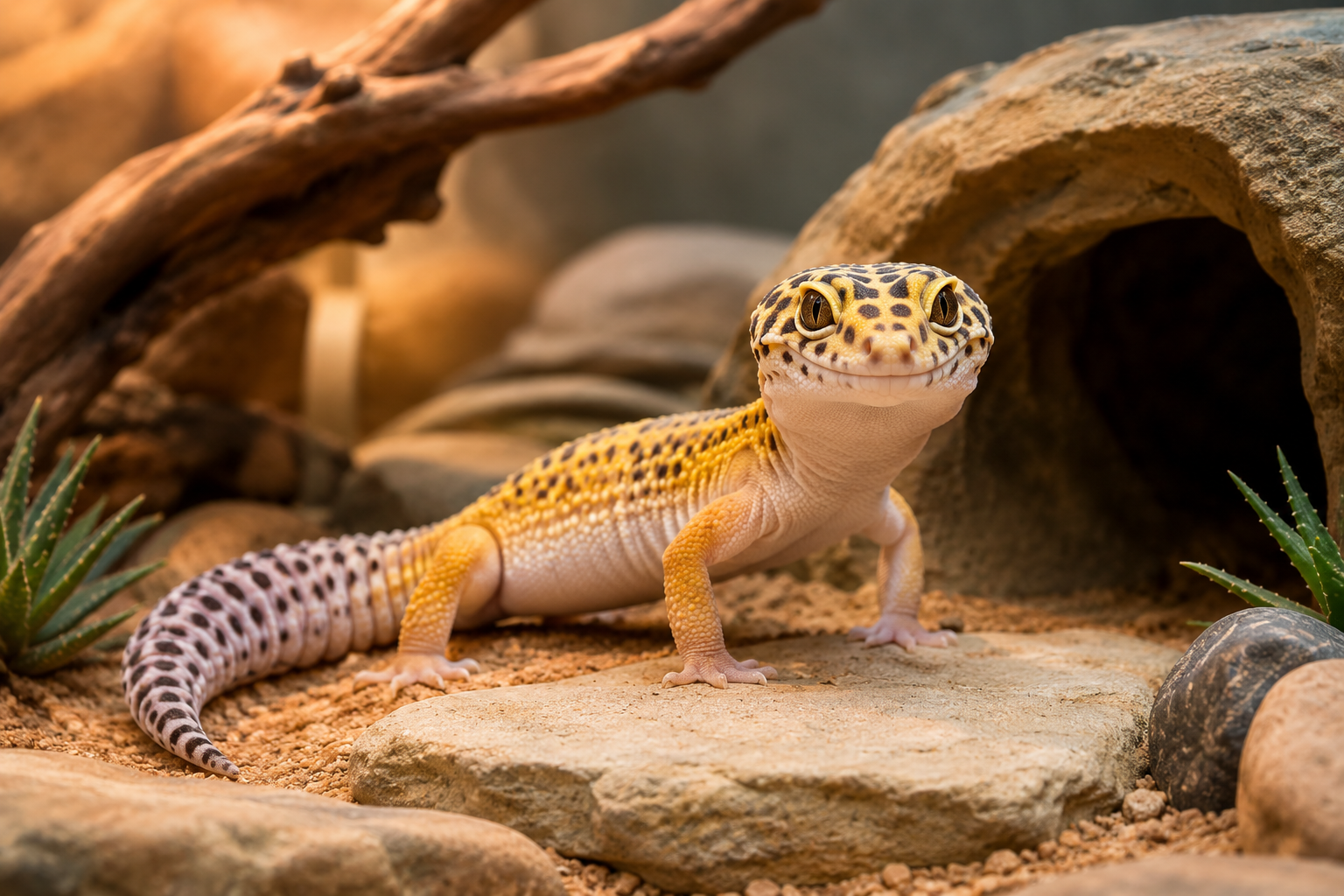
It is small, calm, beautiful, usually quiet, and easier to observe than many more active pets. With its spotted skin, large eyes, gentle expression, and thick tail, the leopard gecko is one of the most popular pet reptiles for people who want something different from a dog, cat, bird, or small mammal.
But “beginner-friendly” does not mean “no setup needed.”
A leopard gecko still needs a proper terrarium, safe heating, hiding places, clean water, live feeder insects, a calm routine, and careful handling. The right owner will enjoy creating and maintaining a simple reptile habitat, not just looking at the gecko.
If you want a quiet, low-noise pet to observe, and you are comfortable feeding insects and learning basic reptile setup, a leopard gecko may be a very good choice.
If you want a cuddly pet, a highly interactive companion, or an animal that can be left with minimal habitat care, a leopard gecko may not be the right fit.
The Pet Room shares general pet lifestyle information. We do not provide veterinary or medical advice. For health concerns, appetite changes, shedding problems, injuries, weight changes, unusual behavior, or species-specific care questions, always speak with a qualified reptile veterinarian.
Quick Answer: Is a Leopard Gecko a Good Pet?
A leopard gecko is often a good pet for calm beginners who are ready to learn reptile care.
It may be a good match if you want:
- a quiet indoor pet
- a small reptile to observe
- a pet that does not need walks
- a calm evening-active animal
- a simple but proper terrarium setup
- a beginner-friendly reptile with routine care
- a pet that can be handled gently and briefly over time
A leopard gecko is not ideal if you want:
- a cuddly pet
- a pet that seeks attention like a dog or cat
- an animal for young children to hold often
- a pet that eats only dry food
- a pet you can keep without heating equipment
- a setup you can ignore for days
- a very active, social, or playful companion
The real question is not just “Is a leopard gecko easy?”
The better question is: can you provide the right heat, hides, food, and calm routine every week?
What Is a Leopard Gecko?
A leopard gecko is a small ground-dwelling lizard known for its spotted pattern, thick tail, and usually calm behavior.
Unlike some geckos, leopard geckos do not climb smooth glass walls in the same way. They spend most of their time on the ground, exploring hides, warm areas, cool areas, and safe decor inside the terrarium.
Leopard geckos are often most active in the evening or at night. During the day, they may spend a lot of time resting in hides. This makes them appealing for people who are home later in the day and enjoy watching a pet during quieter evening hours.
Their thick tail is also important. A healthy leopard gecko often stores fat in its tail, so the tail can give clues about general condition. A thin tail, sudden weight change, appetite problems, injuries, stuck shed, or unusual behavior should be discussed with a qualified reptile veterinarian.
Is a Leopard Gecko Beginner-Friendly?
A leopard gecko is often considered beginner-friendly compared with many reptiles, but it still requires planning.
It is beginner-friendly in some ways because it is usually:
- quiet
- small
- easier to house than many larger reptiles
- usually calmer than fast, nervous species
- not as socially demanding as mammals
- suitable for a simple terrarium setup when done correctly
But it is not beginner-friendly if the owner skips the basics.
A leopard gecko still depends on the owner for the right environment. It cannot choose a better temperature zone if the tank is set up poorly. It cannot fix a missing hide, unsafe substrate, dirty water dish, or stressful handling routine.
This is why the setup matters before the gecko comes home.
If you are still comparing beginner pets in general, read this guide too: Best Pets for First-Time Owners: Beginner-Friendly Companion Animals.
The Most Important Setup Rule: Heat Gradient
Leopard geckos need a temperature gradient.
That means the terrarium should not be the same temperature everywhere. There should be a warmer side and a cooler side so the gecko can move between areas and regulate its body temperature.
A simple beginner setup usually includes:
- a warm side
- a cooler side
- a warm hide
- a cool hide
- safe heat source
- thermostat
- thermometer or temperature monitoring
- secure terrarium
- good ventilation
This is one of the biggest differences between keeping a reptile and keeping many other small pets.
The habitat is not just a container. It is part of the animal’s daily care.
Avoid heat rocks. They can create burn risks and are not a good beginner heating solution. A safer approach is to use appropriate reptile heating equipment controlled by a thermostat and checked with reliable temperature tools.
Why Hides Matter So Much
A leopard gecko needs places to hide.
Hides are not just decorations. They help the gecko feel secure, rest properly, and use different temperature zones.
A good beginner setup usually includes:
- one warm hide
- one cool hide
- one humid hide for shedding support
The warm hide lets the gecko rest while staying in the warmer area. The cool hide lets it move away from heat when needed. The humid hide gives a more humid micro-area that can help during shedding.
Without enough hides, a leopard gecko may feel exposed and stressed.
A beautiful open terrarium with no real hiding places may look nice to humans, but it is not a good setup for the gecko.
Terrarium Size and Layout
A leopard gecko does not need a tall climbing enclosure like some other reptiles, but it does need useful floor space.
The layout should be simple, safe, and easy to maintain.
A good terrarium layout often includes:
- warm side on one end
- cooler side on the other end
- secure lid or secure enclosure doors
- hides placed in useful areas
- shallow water dish
- feeding area
- smooth decor
- easy-to-clean surfaces
- enough cover to reduce stress
The goal is not to fill the tank with random decorations.
The goal is to create a practical environment where the gecko can hide, move, warm up, cool down, drink, shed, and feel secure.
Substrate: Keep It Safe and Easy to Clean
Substrate is one of the most confusing topics for beginners.
Some naturalistic setups can work for experienced keepers, but a new owner should focus on safety and easy cleaning first.
Beginner-friendly substrate choices often prioritize:
- easy cleaning
- low dust
- low risk of accidental ingestion
- stable footing
- simple monitoring
Avoid choosing substrate only because it looks pretty in photos. A setup that is hard to clean can become stressful and unhygienic.
For beginners, simple is usually better.
A simple, safe, easy-to-maintain habitat is more valuable than a complicated display tank that is difficult to manage.
What Does a Leopard Gecko Eat?
Leopard geckos eat insects.
This is one of the biggest “before you buy” points. If you are uncomfortable keeping or feeding live insects, a leopard gecko may not be the best pet for you.
Common feeder insects may include options such as crickets, mealworms, or other appropriately sized feeder insects depending on availability and guidance from reputable reptile-care sources.
The important beginner rules are:
- feed appropriately sized insects
- avoid insects that are too large
- use a consistent routine
- remove uneaten insects when needed
- keep feeding clean and controlled
- learn proper supplementation from reliable reptile-care guidance
- ask a reptile veterinarian for species-specific nutrition concerns
Do not guess with reptile nutrition. If appetite changes, weight changes, or feeding problems appear, contact a qualified reptile veterinarian.
Handling: Gentle, Brief, and Low-Stress
A leopard gecko can often become comfortable with gentle handling, but it is not a cuddly pet.
This is a reptile, not a small dog.
Handling should be calm, short, and respectful. The gecko should be supported securely and never squeezed, grabbed by the tail, chased around the terrarium, or handled roughly.
Important handling rules:
- let the gecko settle in first
- move slowly
- keep sessions brief
- support the body
- avoid grabbing the tail
- never force interaction
- keep the gecko close to a safe surface
- stop if it seems stressed
Leopard geckos can drop their tails as a defense response. This is another reason rough handling is a serious mistake.
A good leopard gecko owner enjoys observing the animal as much as interacting with it.
Daily Routine With a Leopard Gecko
Daily care is usually simple, but it should be consistent.
A realistic daily routine may include:
- checking heat and environment
- checking the water dish
- refreshing water when needed
- observing activity
- checking appetite
- making sure hides are in place
- removing waste when noticed
- making sure the enclosure is secure
This does not mean disturbing the gecko all day.
It means noticing whether the habitat is stable and whether the gecko looks normal for its routine.
A calm, predictable routine is usually better than constant handling or changing the tank too often.
Weekly Routine and Maintenance
Weekly care helps keep the terrarium clean and safe.
A simple weekly routine may include:
- spot-cleaning the enclosure
- checking hides
- checking decor
- cleaning the water dish
- reviewing feeding routine
- checking temperature tools
- checking thermostat function
- checking substrate condition
- making sure ventilation is good
A leopard gecko does not need a complicated daily lifestyle, but its environment should be maintained carefully.
The more predictable the setup, the easier it is to notice when something changes.
Is a Leopard Gecko Good for Apartments?
A leopard gecko can be a good apartment pet for the right owner.
It is quiet, small, does not need outdoor exercise, and usually does not create the same noise or mess as many larger pets.
A leopard gecko may fit apartment living if:
- your lease allows reptiles
- you have space for a secure terrarium
- you can use safe heating equipment
- the room temperature is stable
- you are comfortable feeding insects
- you want a quiet pet
- you prefer observing over constant interaction
A leopard gecko may not fit your apartment if:
- reptiles are not allowed
- you cannot safely set up heating equipment
- you travel often
- you dislike live insects
- you want a pet that seeks affection
- you cannot maintain a terrarium routine
If you are still comparing quiet pets for small homes, read this too: Best Pets for Apartments: Friendly Options for Small Homes.
Leopard Gecko vs Other Unusual Pets
A leopard gecko is very different from many other unusual pets.
Compared with a ferret, for example, a leopard gecko is usually quieter, less socially demanding, and less physically interactive. A ferret may feel more playful and energetic, while a leopard gecko is more of a calm display pet with gentle handling potential.
If you are comparing unusual pets, read: Ferret as a Pet: Is This Playful, Curious Animal Right for You?.
A leopard gecko is usually better for someone who wants:
- quiet observation
- reptile habitat care
- low noise
- evening activity
- a smaller enclosure than many larger reptiles
- calm handling rather than constant play
A leopard gecko is not better for someone who wants:
- high interaction
- cuddling
- training sessions
- daytime social activity
- a pet that bonds like a dog or cat
- a pet that does not eat insects
The “best” pet depends on your lifestyle, not just the animal’s appearance.
Common Leopard Gecko Beginner Mistakes
Many beginner mistakes happen because the gecko seems easy.
Common mistakes include:
- buying the gecko before preparing the terrarium
- skipping the heat gradient
- not using a thermostat
- using unsafe heat sources
- providing too few hides
- forgetting the humid hide
- overhandling too soon
- grabbing the tail
- feeding insects that are too large
- ignoring appetite changes
- choosing decor that is hard to clean
- assuming all reptiles need the same setup
A leopard gecko may be calm, but it is still a reptile with specific needs.
A simple correct setup is better than a fancy incorrect one.
Best For / Avoid If
A Leopard Gecko May Be Best For You If:
- you want a quiet pet
- you like reptiles
- you enjoy observing animals
- you are comfortable feeding insects
- you can maintain a terrarium
- you can provide safe heat
- you want a small pet with a calm routine
- you understand that handling should be gentle and limited
A Leopard Gecko May Not Be Right for You If:
- you want a cuddly pet
- you dislike feeder insects
- you travel often
- you want a pet that follows you around
- you cannot safely use heating equipment
- you do not want to monitor a habitat
- you want a very social companion
- you are buying one only because it looks cute
Useful products:
Reptile Heat Thermostat

Helps keep the terrarium heat source controlled and safer, so the warm side stays more stable for a leopard gecko.
Warm Hide + Cool Hide Setup
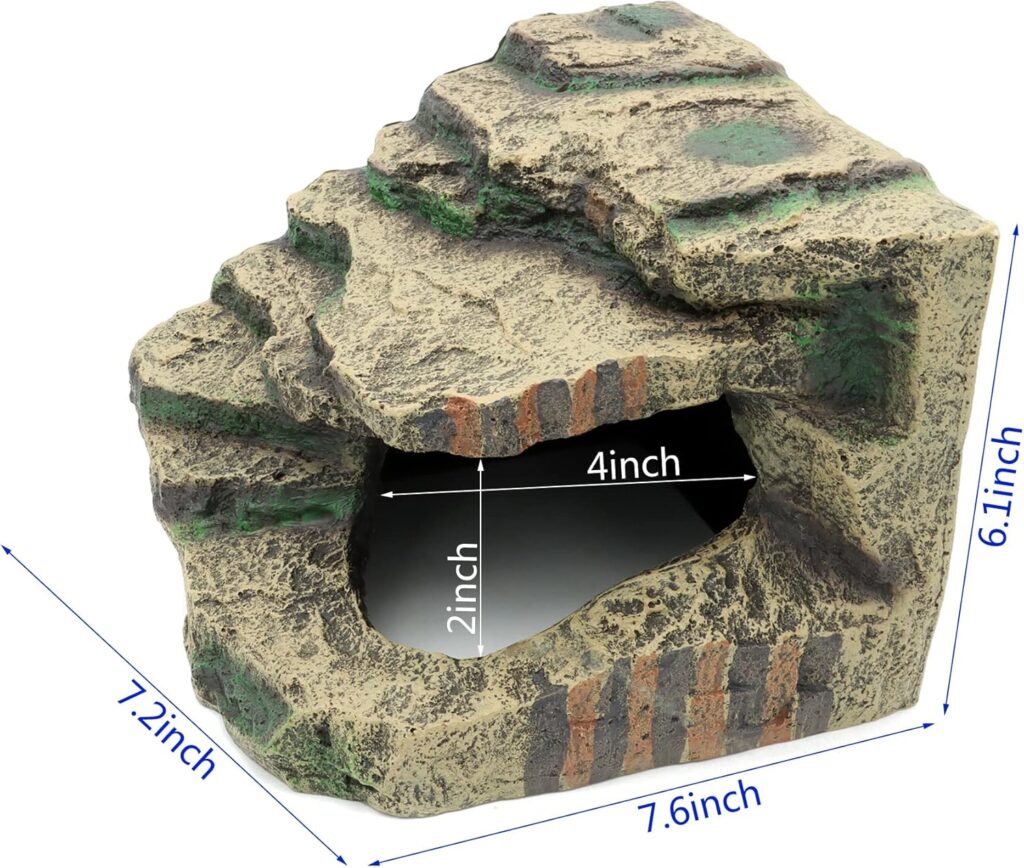
Gives a leopard gecko secure places to rest on both the warm and cool sides of the terrarium, helping reduce stress.
Final Verdict: Is a Leopard Gecko Right for You?
A leopard gecko can be a wonderful pet for the right beginner.
It is calm, quiet, beautiful, and easier to manage than many more demanding reptiles. But it still needs a real setup, not just a tank with a lizard inside.
The right owner will provide a warm side, cool side, hides, safe substrate, clean water, live feeder insects, careful handling, and a consistent routine.
The wrong owner may expect a cuddly, no-maintenance pet and become frustrated when the terrarium needs regular attention.
Choose a leopard gecko if you want a calm reptile to observe and you are ready to learn proper habitat care.
Choose a different pet if you want constant interaction, cuddling, or a setup that requires almost no maintenance.
A leopard gecko is beginner-friendly only when the beginner is prepared.