Bichon Frise as a Pet: Is This Cheerful Small Dog Right for Your Home?
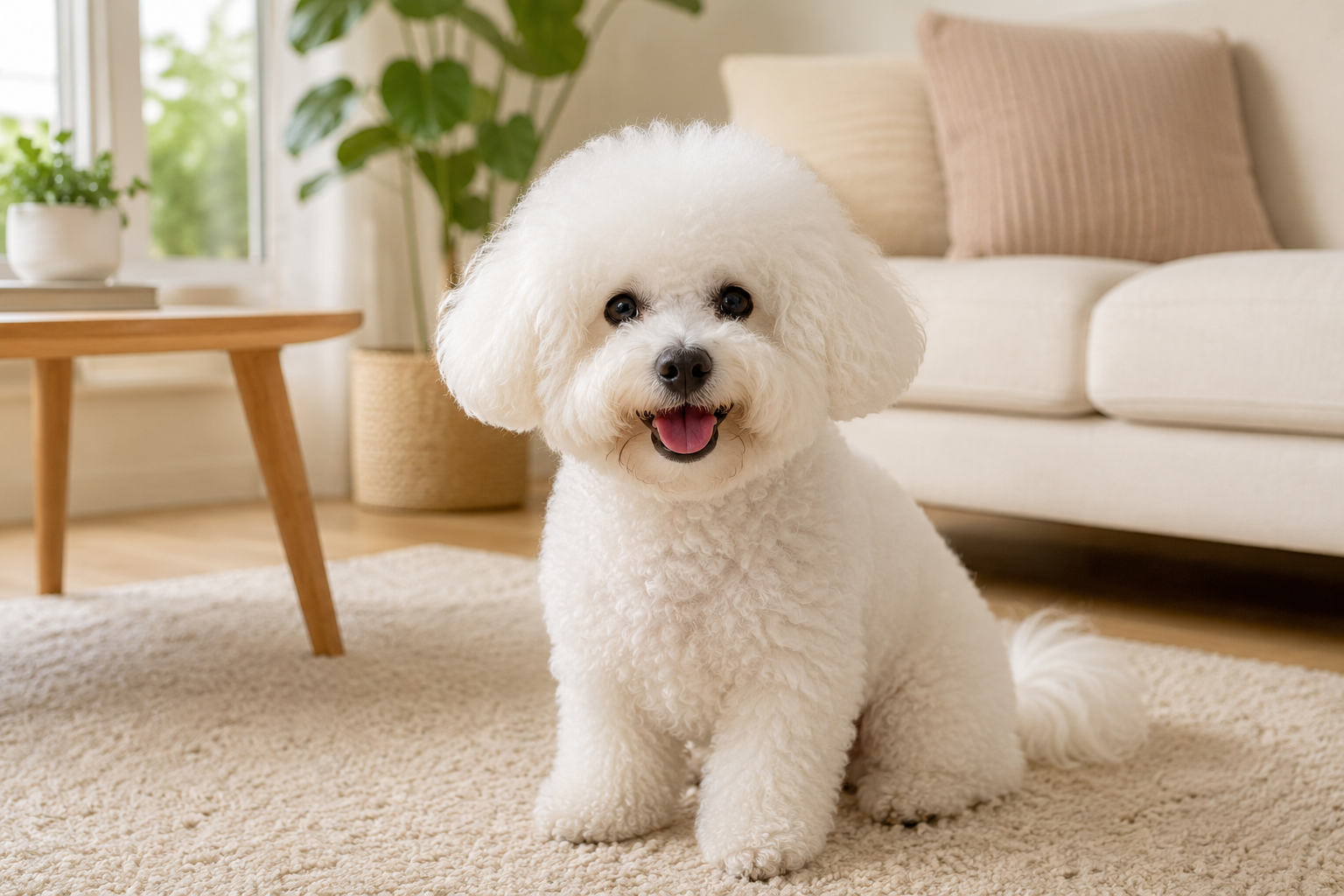
A Bichon Frise can look like a little white cloud with a happy face.
This small companion dog is cheerful, social, playful, and often very affectionate with its people. Many families love the Bichon Frise because it can fit well into apartment life, enjoys being part of daily routines, and has a bright, friendly personality.
But this breed is not a low-maintenance toy.
A Bichon Frise needs regular grooming, daily attention, patient training, short walks, playtime, and a home where companionship is part of everyday life. Its fluffy curly coat is beautiful, but it can mat if neglected. Its social nature is charming, but it can become a challenge if the dog is left alone for long hours too often.
If you want a cheerful small dog and you are ready for grooming, attention, routine, and play, a Bichon Frise may be a wonderful fit.
If you want a very independent dog, a coat that needs almost no care, or a pet that can be ignored most of the day, this breed may not be the right choice.
The Pet Room shares general pet lifestyle information. We do not provide veterinary or medical advice. For health concerns, appetite changes, skin or coat problems, tear staining concerns, injuries, sudden behavior changes, or separation-related distress, always speak with a qualified veterinarian or professional dog trainer when appropriate.
Quick Answer: Is a Bichon Frise a Good Pet?
Yes, a Bichon Frise can be a very good pet for the right home.
This breed is often best for people who want an affectionate, playful, people-focused small dog and are willing to keep up with grooming and companionship.
A Bichon Frise may be a good fit if you want:
- a small companion dog
- a cheerful family pet
- a dog that can live well in apartments
- a playful but manageable breed
- a social dog that enjoys people
- a dog that often responds well to positive training
- a companion for a calm, loving home routine
A Bichon Frise may not be ideal if you want:
- a very independent dog
- a low-maintenance coat
- a dog that can be alone all day
- a guard dog
- a pet that needs almost no grooming
- a dog that will be happy with minimal interaction
- a breed you can choose only for its cute appearance
The real question is not “Is a Bichon cute?”
The better question is: can you provide grooming, companionship, training, and daily routine?
What Is a Bichon Frise?
The Bichon Frise is a small companion dog known for its fluffy curly white coat, cheerful personality, and love of people.
This breed is often affectionate, playful, social, and bright. A well-socialized Bichon Frise may enjoy family life, gentle children, other pets, visitors, walks, and indoor play.
A Bichon Frise is typically:
- small
- cheerful
- affectionate
- social
- playful
- people-oriented
- indoor-friendly
- known for its curly white coat
- responsive to positive training
- happiest with companionship and routine
Individual temperament varies. Some Bichons are outgoing and playful. Others may be more sensitive, vocal, or clingy. Training, socialization, age, health, grooming routine, and daily structure all matter.
Is a Bichon Frise Good for First-Time Owners?
A Bichon Frise can be a good choice for first-time owners, but it is not effortless.
This breed can work well for beginners who are ready to learn:
- grooming basics
- brushing routines
- house training
- positive reinforcement
- barking management
- separation preparation
- daily play and walks
- small-dog safety
- socialization
- calm household routines
The Bichon Frise is usually not as physically demanding as many large working breeds, but it still needs real care.
A beginner who wants a friendly small dog and is willing to groom, train, and spend time with the dog may do well.
A beginner who wants a cute dog that can mostly take care of itself may struggle.
If you are still comparing beginner-friendly pets, read: Best Pets for First-Time Owners: Beginner-Friendly Companion Animals.
The Biggest Bichon Frise Myth: “Fluffy Means Easy”
The Bichon Frise coat is one of the breed’s most recognizable features.
It is also one of the biggest responsibilities.
That soft, curly white coat can look adorable in photos, but it requires regular care. Without brushing and grooming, curls can tangle, mat, collect dirt, and become uncomfortable.
A realistic grooming routine may include:
- brushing several times per week or daily
- checking for mats
- keeping the face and eye area clean
- trimming when needed
- professional grooming on a routine schedule
- checking paws after walks
- keeping bedding clean
- using the right brush or comb
Some owners keep the coat shorter for easier maintenance. That can be practical for everyday family life.
But a shorter coat does not mean no grooming.
A Bichon Frise is not the best fit for someone who dislikes brushing, grooming appointments, or coat maintenance.
Is a Bichon Frise Good for Apartments?
A Bichon Frise can be a good apartment dog for the right owner.
The breed is small, usually indoor-friendly, and often happy with short walks, indoor play, companionship, and a calm routine. It does not need a large yard to have a good life.
A Bichon Frise may fit apartment living if:
- you provide daily walks or play
- you manage barking early
- you are home often enough
- you keep up with grooming
- you offer enrichment and attention
- your apartment allows dogs
- you create a calm routine
The main apartment challenge is not size.
The challenge is time and attention.
A Bichon may be small enough for an apartment, but it still needs companionship, training, stimulation, and grooming.
If you are comparing apartment-friendly pets, read: Best Pets for Apartments: Friendly Options for Small Homes.
Grooming: The Part Owners Must Take Seriously
Grooming is one of the most important parts of Bichon Frise ownership.
This breed’s coat is beautiful, but it can become difficult if ignored. Bichons often need brushing at home and regular professional grooming to stay comfortable and clean.
A practical grooming routine may include:
- brushing several times per week
- checking behind the ears
- checking legs and belly for tangles
- gently cleaning around the eyes when needed
- trimming or grooming regularly
- keeping paws neat
- bathing when appropriate
- preventing mats before they become painful
Some owners love grooming and enjoy keeping the Bichon coat fluffy and neat.
Others find the coat more work than expected.
Be honest before choosing the breed.
If grooming is something you want to avoid, a Bichon Frise may not be the best match.
If you want a grooming-related guide, read: Best Dog Brushes for Shedding: What Beginners Should Know Before Buying One.
Does a Bichon Frise Shed?
Bichon Frise dogs are often described as low-shedding.
That does not mean no maintenance.
Low-shedding coats can still trap loose hair in the coat. That trapped hair must be brushed out, or it can contribute to tangles and mats.
This is an important point for beginners.
Some people hear “low-shedding” and think “low grooming.” With a Bichon Frise, that is not usually true.
A low-shedding coat may mean less hair around the house, but it often means more brushing and grooming work.
Daily Exercise: Small Dog, Playful Energy
A Bichon Frise is small, but it still needs daily activity.
This does not usually mean extreme exercise. It means consistent movement, play, and engagement.
A good daily routine may include:
- short walks
- indoor play
- gentle games
- sniffing time
- training games
- puzzle toys
- safe chew toys
- time with people
A bored Bichon may become barky, clingy, restless, or demanding.
The goal is not to exhaust the dog.
The goal is to give enough movement and mental stimulation to support a happy, balanced companion.
If your dog seems bored indoors, read: Why Is My Dog Bored? 9 Enrichment Mistakes Owners Often Miss.
Training: Smart, Social, and Sometimes Stubborn
A Bichon Frise is often smart and responsive to positive training.
But small companion dogs still need structure. Without training, a Bichon may develop habits like barking for attention, jumping, refusing to settle, struggling with house training, or becoming overly dependent on constant human attention.
Useful training goals include:
- house training
- calm greetings
- quiet cue
- settling on a bed
- coming when called
- leash manners
- gentle handling tolerance
- grooming tolerance
- short alone-time practice
- polite play
Training should be kind, consistent, and reward-based.
Short sessions often work best. A Bichon may learn quickly when training feels like a fun interaction, not pressure.
The goal is not to remove the dog’s cheerful personality.
The goal is to guide that personality into good habits.
Barking and Separation: What Owners Should Know
A Bichon Frise is often very people-oriented.
That can be wonderful, but it also means the breed may dislike being ignored or left alone for long periods. Some Bichons may bark, whine, become clingy, or struggle when the routine does not support independence.
Barking or clinginess may come from:
- boredom
- lack of exercise
- lack of training
- separation stress
- attention-seeking
- inconsistent routine
- too much carrying or overprotecting
- not enough confidence-building
Helpful habits include:
- teaching calm alone time gradually
- creating a predictable routine
- giving exercise before rest periods
- using enrichment toys
- rewarding calm behavior
- avoiding constant attention on demand
- building independence gently
- keeping departures and returns calm
If distress is severe, sudden, or intense, speak with a qualified veterinarian or professional dog trainer.
Is a Bichon Frise Good With Children?
A Bichon Frise can be good with children in the right home.
Many Bichons are cheerful, social, and affectionate. Their small size and playful personality can make them appealing to families.
But children still need to be taught how to interact respectfully.
A Bichon may do better with children who can:
- avoid rough handling
- respect rest time
- avoid pulling the coat or ears
- sit calmly during interaction
- let the dog move away
- follow adult guidance
- understand the dog is not a toy
Very young children should always be supervised around small dogs.
A Bichon Frise may look like a stuffed animal, but it is a real dog with boundaries, feelings, and needs.
Can a Bichon Frise Live With Other Pets?
A Bichon Frise can often live with other pets when introductions are done carefully and the individual animals are compatible.
Many Bichons are social, but that does not mean every dog will automatically love every other animal. Personality, socialization, age, previous experiences, and supervision matter.
A good approach includes:
- slow introductions
- supervised interactions
- separate safe spaces
- no forced contact
- rewarding calm behavior
- watching for stress signals
- protecting small animals
- managing food and toys carefully
If you already have pets, think about whether your home has enough space, time, and structure for a new dog.
Best Home Fit for a Bichon Frise
A Bichon Frise may be a great fit for:
- apartment dwellers
- singles
- couples
- seniors
- families with gentle children
- people home often
- owners who enjoy grooming
- first-time dog owners who are prepared
- people who want a cheerful companion
- homes with calm routines
- owners who enjoy daily interaction
A Bichon Frise may be a poor fit for:
- people gone long hours every day
- very busy homes with little time
- owners who dislike grooming
- people wanting a very independent dog
- homes with rough handling
- owners wanting a guard dog
- people expecting a no-maintenance coat
- homes with minimal daily interaction
The best Bichon home is not necessarily the biggest home.
It is the home that provides companionship, grooming, routine, training, and affection.
Common Bichon Frise Beginner Mistakes
Many beginner mistakes come from choosing the Bichon Frise for its cute appearance without understanding the care.
Common mistakes include:
- skipping grooming
- not brushing often enough
- waiting until mats appear
- leaving the dog alone too long
- not teaching independence
- ignoring barking
- skipping house training structure
- treating the dog like a toy
- carrying the dog everywhere
- not providing enough play
- expecting a low-maintenance coat
- ignoring eye and face care
- choosing the breed only because it looks fluffy
A Bichon Frise can be sweet, cheerful, and fun, but it still needs routine.
A fluffy dog still needs serious care.
Bichon Frise vs Maltese: Which Small White Dog Fits Better?
A Bichon Frise and a Maltese can both be small white companion dogs, but they do not feel exactly the same in daily life.
A Bichon Frise often feels more playful, bouncy, and cheerful. Its curly coat gives it a teddy-bear look, but that coat also needs consistent grooming.
A Maltese often feels more delicate and silky-coated. It may suit someone who wants a gentle lap-dog style and is ready for coat care and companionship needs.
A Bichon Frise may suit you better if you want:
- a cheerful small dog
- a playful social companion
- a curly fluffy coat
- a dog that enjoys family activity
- a small dog with a fun personality
A Maltese may suit you better if you want:
- a very small companion dog
- a silky white coat
- a gentle lap-dog feel
- a more delicate toy-breed look
- a dog strongly focused on close companionship
Both breeds need grooming.
Both need attention.
Both should be chosen for lifestyle fit, not just appearance.
If you are comparing small white companion dogs, read: Maltese as a Pet: Is This Gentle Little Dog Right for Your Home?.
Read Next
- Best Pets for Apartments: Friendly Options for Small Homes
- Best Pets for First-Time Owners: Beginner-Friendly Companion Animals
- Maltese as a Pet: Is This Gentle Little Dog Right for Your Home?
- Best Dog Brushes for Shedding: What Beginners Should Know Before Buying One
- Why Is My Dog Bored? 9 Enrichment Mistakes Owners Often Miss
Final Verdict: Is a Bichon Frise Right for You?
A Bichon Frise can be a wonderful pet for the right owner.
This cheerful small dog is often affectionate, playful, social, and well suited to apartment or family life when its needs are met. It can bring a lot of joy into a home that wants a bright, people-loving companion.
But a Bichon Frise is not a low-maintenance decoration.
The coat needs grooming. The dog needs attention. Training and routine matter. Long lonely days can be difficult for many Bichons.
Choose a Bichon Frise if you want a cheerful companion and you are ready for brushing, grooming, daily play, positive training, and companionship.
Choose a different breed if you want a highly independent dog, a coat that needs little care, or a pet that can be left alone most of the day.
Small dog. Big personality. Real grooming commitment.