Yorkshire Terrier as a Pet: Is This Tiny Dog Right for Your Home?
A Yorkshire Terrier may be tiny, but this is not a quiet little decoration for the sofa.
The Yorkie is small, charming, loyal, alert, and full of personality. Many people love the breed because it can fit beautifully into apartment life, small homes, and close indoor routines. A Yorkshire Terrier often wants to be near its people, watch what is happening, and feel included in daily life.
But this tiny dog also comes with real responsibilities.
A Yorkie needs regular grooming, daily attention, patient training, safe handling, and a home that understands small dogs are still real dogs. Their size can make them convenient, but it does not make them low-effort.
If you want a small, loyal companion and you are ready for brushing, training, socialization, and daily interaction, a Yorkshire Terrier may be a wonderful fit.
If you want a quiet, independent, low-maintenance dog that can be left alone for long periods, a Yorkie may not be the right choice.
The Pet Room shares general pet lifestyle information. We do not provide veterinary or medical advice. For health concerns, appetite changes, injuries, unusual behavior, sudden coat or skin changes, or major behavior changes, always speak with a qualified veterinarian or professional dog trainer when appropriate.
Quick Answer: Is a Yorkshire Terrier a Good Pet?
A Yorkshire Terrier can be a very good pet for the right home.
This breed is often best for people who want a small, affectionate, people-focused companion and are willing to keep up with grooming and training.
A Yorkie may be a good fit if you want:
- a small indoor dog
- a loyal companion
- a dog that can live well in an apartment
- a playful but compact pet
- a dog that likes being close to its people
- a breed with a bold, alert personality
- a pet you can include in daily routines
A Yorkie may not be ideal if you want:
- a very quiet dog
- a low-maintenance coat
- a dog that is happy being ignored
- a rough-and-tumble pet for very young children
- a dog that needs almost no grooming
- a very independent breed
- a pet you can leave alone for long hours every day
The real question is not “Is a Yorkie cute?”
The better question is: can you give this tiny dog the care, grooming, training, and attention it needs?
What Is a Yorkshire Terrier?
The Yorkshire Terrier, often called a Yorkie, is a toy-sized dog with a silky coat, alert expression, and bold terrier personality.
Although Yorkies are now known as stylish companion dogs, they still have a confident, spirited nature. Many Yorkies act much bigger than they are. They may be curious, vocal, affectionate, brave, and strongly attached to their people.
A typical Yorkie is:
- small in size
- people-oriented
- alert
- confident
- often vocal
- affectionate with family
- usually active indoors
- known for its silky coat
- best with gentle handling
- happiest with routine and attention
Individual temperament varies. Some Yorkies are outgoing and bold. Others may be more sensitive or reserved. Training, socialization, age, health, home environment, and daily routine all matter.
Is a Yorkshire Terrier Good for First-Time Owners?
A Yorkshire Terrier can be good for first-time owners if the owner understands that small does not mean easy.
This breed can be beginner-friendly when the owner is ready to learn:
- basic training
- gentle handling
- house training
- barking management
- coat care
- daily routine
- safe socialization
- small-dog safety
A Yorkie is not a good first dog for someone who wants to skip training because the dog is small.
Small dogs still need boundaries, structure, confidence-building, and manners. Without training, a Yorkie may become demanding, nervous, barky, or difficult to manage.
If you are still comparing beginner-friendly pets, read this guide too: Best Pets for First-Time Owners: Beginner-Friendly Companion Animals.
The Biggest Yorkie Myth: “Small Dogs Are Easy”
Yorkshire Terriers are small, but they are not automatic low-maintenance dogs.
Their size makes some parts of ownership easier. They do not need the same physical space as a large breed. They are easier to carry when needed. They can fit into apartment living and small homes.
But their size does not remove the need for:
- training
- daily attention
- grooming
- mental stimulation
- safe socialization
- consistent routine
- appropriate exercise
- gentle handling
A Yorkie that is treated like a toy instead of a dog may become insecure or difficult to manage.
A happy Yorkie needs love, but also structure.
Apartment Living: Is a Yorkie a Good Apartment Dog?
A Yorkshire Terrier can be a very good apartment dog for the right owner.
The breed is small, indoor-friendly, and usually does not need a large yard to live happily. Short walks, indoor play, training, companionship, and enrichment can fit well into apartment life.
A Yorkie may do well in an apartment if:
- barking is managed early
- daily walks are still provided
- the dog gets enough attention
- grooming is maintained
- the home is calm and safe
- the owner creates a predictable routine
- the dog is not left alone too long
The main apartment challenge is barking.
Yorkies are often alert dogs. They may bark at hallway sounds, visitors, windows, neighbors, or anything that feels unusual. This does not mean every Yorkie will bark constantly, but it does mean owners should take training seriously.
If you live in an apartment, teach calm behavior early and avoid accidentally rewarding barking with attention every time.
For more apartment pet ideas, read: Best Pets for Apartments: Friendly Options for Small Homes.
Grooming: The Part Many Beginners Underestimate
Yorkshire Terriers are known for their beautiful silky coat.
That coat is one of the breed’s most attractive features, but it also takes commitment. A Yorkie’s coat can tangle, pick up dirt, and need regular brushing. Many owners keep Yorkies in a shorter “pet cut” because it is easier to manage than a long show-style coat.
A realistic grooming routine may include:
- regular brushing
- combing areas that tangle
- keeping the face neat
- cleaning around the eyes when needed
- checking paws and nails
- professional grooming if desired
- keeping bedding clean
- preventing mats before they become painful
A Yorkie is not the right dog for someone who dislikes grooming.
The coat does not need to be dramatic or fancy, but it does need care. A shorter coat can make daily life easier, but it does not remove grooming completely.
If you want help choosing grooming tools, read: Best Dog Brushes for Shedding: What Beginners Should Know Before Buying One.
Daily Exercise: Small Dog, Real Energy
A Yorkshire Terrier does not need the same exercise as a large working breed, but it still needs daily movement.
A healthy routine may include:
- short walks
- indoor play
- gentle training sessions
- sniffing time
- safe toys
- light games
- time with the owner
Some Yorkies are lively and playful. Others are calmer. Age, health, and personality all matter.
A Yorkie that never gets activity may become bored, barky, restless, or demanding. A tiny dog still needs something to do.
If your dog seems bored indoors, you may also like: Why Is My Dog Bored? 9 Enrichment Mistakes Owners Often Miss.
Training: Cute Does Not Replace Manners
A Yorkie needs training just like any other dog.
Because the breed is tiny, some owners accidentally allow behaviors they would never accept from a larger dog. Jumping, barking, nipping, guarding, refusing to come when called, or demanding attention can become harder to manage if they are ignored early.
Useful Yorkie training goals include:
- house training
- coming when called
- calm greeting behavior
- leash manners
- quiet cue
- gentle handling tolerance
- settling on a bed or mat
- staying calm during grooming
- confidence around normal household sounds
Training should be patient, positive, and consistent.
A Yorkie can be smart and eager, but also stubborn or independent at times. Short training sessions often work better than long, frustrating ones.
The goal is not to make the dog robotic.
The goal is to help a tiny dog feel confident, safe, and easy to live with.
Barking: What Owners Should Know
Yorkshire Terriers may be vocal.
This is not always a problem, but it can become one if the dog barks at every noise, every guest, every neighbor, or every moment of boredom.
Yorkies may bark because they are:
- alerting
- excited
- bored
- anxious
- asking for attention
- reacting to sounds
- unsure of visitors
- protecting their space
The solution is not to punish the dog harshly.
A better approach is to understand the cause, build routine, provide enrichment, reward calm behavior, and teach useful cues.
If barking is sudden, intense, linked with fear, or part of a bigger behavior change, speak with a qualified veterinarian or professional trainer.
Is a Yorkshire Terrier Good With Children?
A Yorkshire Terrier can live with children in the right home, but this breed is small and delicate.
Very young children may not understand how gently a small dog must be handled. A Yorkie can be injured if dropped, squeezed, stepped on, or treated like a toy.
A Yorkie may do better with children who can:
- respect the dog’s space
- sit calmly during interaction
- avoid rough handling
- understand the dog is not a toy
- follow adult guidance
- let the dog rest when needed
Supervision matters.
A small dog should not have to defend itself from rough handling. Good family fit depends on the dog’s personality, the child’s age and behavior, and the adults’ ability to supervise properly.
Can a Yorkie Be Left Alone?
A Yorkshire Terrier is often very people-focused.
Many Yorkies love being near their owner and may not enjoy long hours alone every day. This does not mean a Yorkie can never be left alone, but it does mean the owner should build independence gradually and avoid creating a routine where the dog gets very little companionship.
A Yorkie may struggle if:
- the owner works very long hours away
- the dog has no routine
- the dog receives little exercise
- there is no enrichment
- departures are stressful
- the dog has not learned calm alone time
A better routine may include:
- morning walk or play
- safe resting area
- enrichment toys
- predictable schedule
- calm departures and returns
- gradual alone-time training
- help from a trusted sitter or walker when needed
If a dog shows severe distress when alone, consult a qualified veterinarian or professional behavior expert.
Best Home Fit for a Yorkshire Terrier
A Yorkshire Terrier may be a great fit for:
- apartment dwellers
- small-home owners
- adults who want a close companion
- seniors who can manage grooming and walking
- families with gentle older children
- owners who enjoy grooming routines
- people who want a small but bold dog
- homes where someone is around often
- owners who like training and daily interaction
A Yorkie may be a poor fit for:
- people wanting a very quiet dog
- people who dislike grooming
- people gone for long hours every day
- homes with rough handling
- owners wanting a low-effort coat
- families expecting the dog to entertain itself
- owners who do not want to train a small dog
- people who want a very independent breed
The best Yorkie home is not necessarily the largest home.
It is the home that gives attention, grooming, routine, safety, and training.
Common Yorkshire Terrier Beginner Mistakes
Yorkie beginner mistakes usually come from underestimating the breed.
Common mistakes include:
- skipping training because the dog is small
- ignoring barking until it becomes a habit
- neglecting grooming
- treating the dog like a toy
- carrying the dog everywhere instead of building confidence
- not supervising around children
- allowing rough handling
- leaving the dog alone too long
- skipping socialization
- using cute appearance as the main reason to choose the breed
- not planning for professional grooming costs or time
- failing to provide mental stimulation
A Yorkie is small, but it still needs serious care.
A confident, well-groomed, well-trained Yorkie is usually much easier to live with than a spoiled or anxious one.
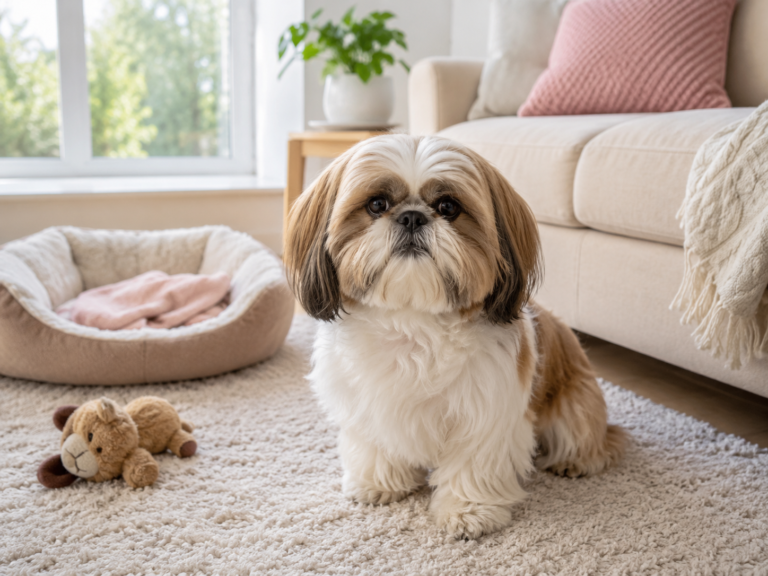
Yorkshire Terrier vs Shih Tzu: Which Small Dog Fits Better?
A Yorkshire Terrier and a Shih Tzu can both be small companion dogs, but they do not feel exactly the same in daily life.
A Yorkie is often more alert, terrier-like, vocal, and bold. A Shih Tzu is often more relaxed, companion-focused, and laid-back indoors, although individual personalities vary.
A Yorkie may suit someone who wants:
- a tiny alert companion
- a bolder small dog
- a lively personality
- a dog with a terrier spark
- a small dog that feels confident and curious
A Shih Tzu may suit someone who wants:
- a softer companion feel
- a more relaxed indoor personality
- a small dog with a sweet lap-dog style
- a breed that may feel less intense than a terrier
Both breeds need grooming and attention.
If you are comparing small companion dogs, read: Shih Tzu as a Pet: Is This Small Companion Dog Right for You?.
Read Next
- Best Pets for Apartments: Friendly Options for Small Homes
- Best Pets for First-Time Owners: Beginner-Friendly Companion Animals
- Shih Tzu as a Pet: Is This Small Companion Dog Right for You?
- Best Dog Brushes for Shedding: What Beginners Should Know Before Buying One
- Why Is My Dog Bored? 9 Enrichment Mistakes Owners Often Miss
Final Verdict: Is a Yorkshire Terrier Right for You?
A Yorkshire Terrier can be a wonderful pet if you want a tiny dog with a huge personality.
This breed is often loving, loyal, alert, and deeply attached to its people. It can fit well in apartments and small homes, and it can bring a lot of companionship into daily life.
But a Yorkie is not a no-maintenance accessory.
It needs grooming, training, attention, safe handling, barking management, and a calm routine. Its small size makes it convenient, but not effortless.
Choose a Yorkshire Terrier if you want a close companion and you are ready to care for the coat, build good manners, and include your dog in everyday life.
Choose a different breed if you want a quiet, independent, low-maintenance dog that needs very little from you.
A Yorkie may be tiny in size, but it needs real commitment.
Small dog. Big love. Serious care.