Betta Fish as a Pet: Is This Colorful Fish Right for You?
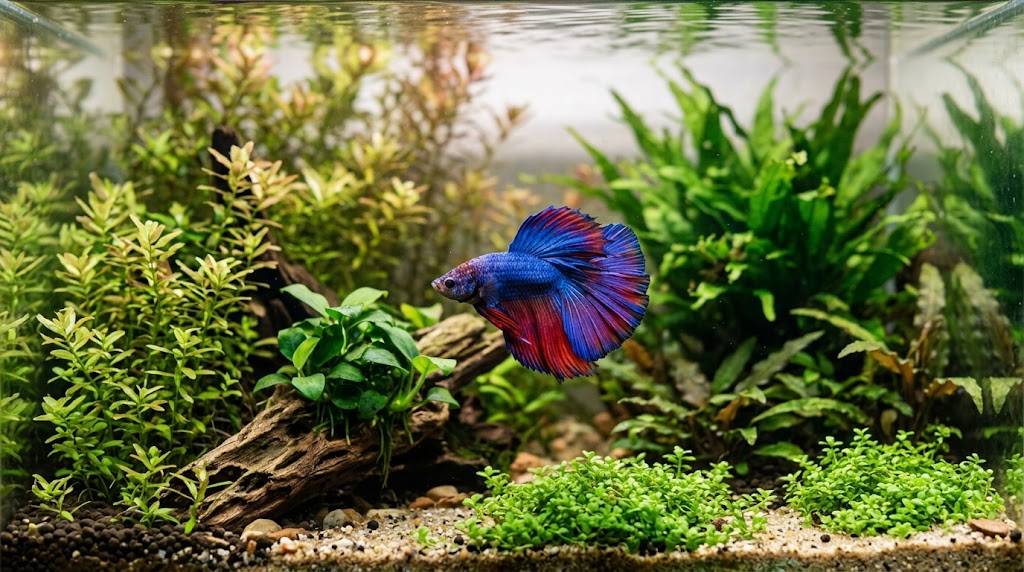
A betta fish as a pet is one of the most recognizable and popular choices in the aquarium hobby, known for its flowing fins and vivid colors.
Also called the Siamese fighting fish, the betta has a reputation as an easy, low-maintenance “starter fish,” often sold in tiny bowls or cups at pet stores. That reputation is misleading. Bettas are hardy in some ways, but they still need a properly cycled tank, stable water conditions, and real space to thrive, not just survive.
According to a scientific fact sheet from the University of Florida IFAS Extension, commercial bettas belong to a group of fish called labyrinth fish, meaning they have a special organ that lets them breathe air directly from the surface. This is part of why bettas can survive in smaller volumes of water better than most fish, but it does not mean they thrive in one.
The Pet Room shares general pet lifestyle information. We do not provide veterinary or medical advice. For health concerns, unusual behavior, or signs of illness, consult a qualified aquatic veterinarian or experienced aquarist resource.
Quick Answer: Is a Betta Fish a Good Pet?
A betta fish as a pet may be a good fit if you want:
- a low-noise, low-space pet
- a strikingly colorful, visually interesting companion
- a fish with real personality and activity
- a manageable first aquarium experience, done properly
A betta fish may not be ideal if you want:
- a truly hands-off, zero-maintenance pet
- a pet that can live happily in a tiny bowl or vase long-term
- a community fish that gets along with most tankmates
Why the “Easy Starter Fish” Reputation Is Misleading
Bettas are often marketed as beginner-proof because they can survive in small containers and don’t strictly require a filter to breathe, thanks to their labyrinth organ. But surviving and thriving are not the same thing.
A betta kept in a small, unfiltered bowl is far more prone to stress, poor water quality, and a shortened lifespan. Real betta care involves a properly sized, cycled tank, not just a cup of water and a pinch of food.
Tank Size: Bigger Is Genuinely Better
Contrary to common belief, bettas do best with real swimming space.
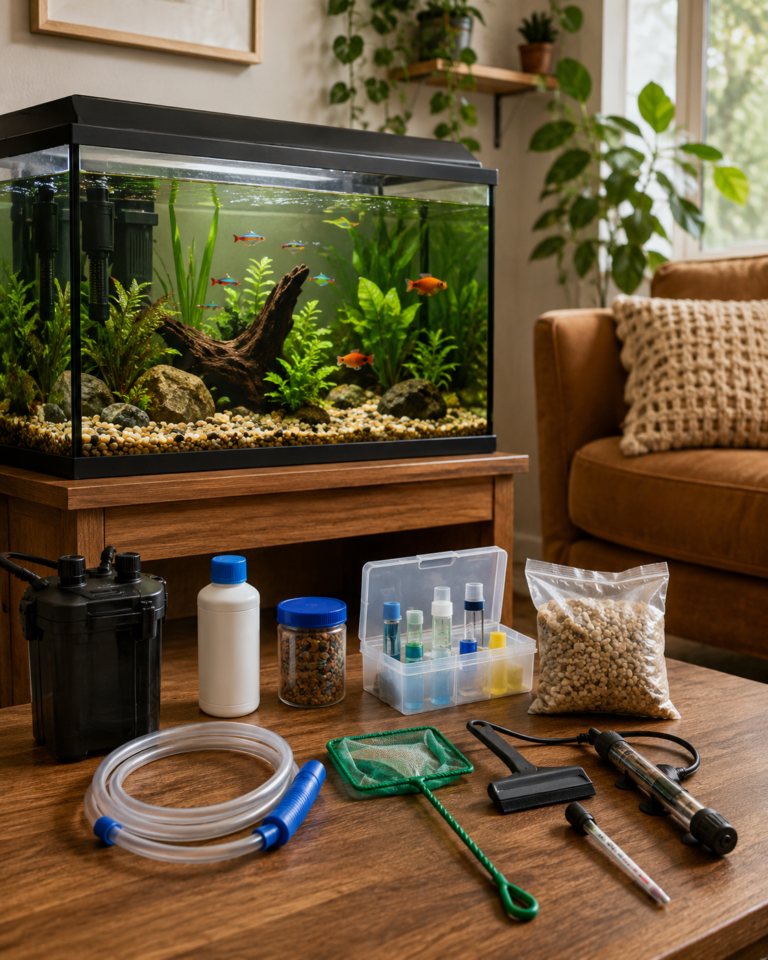
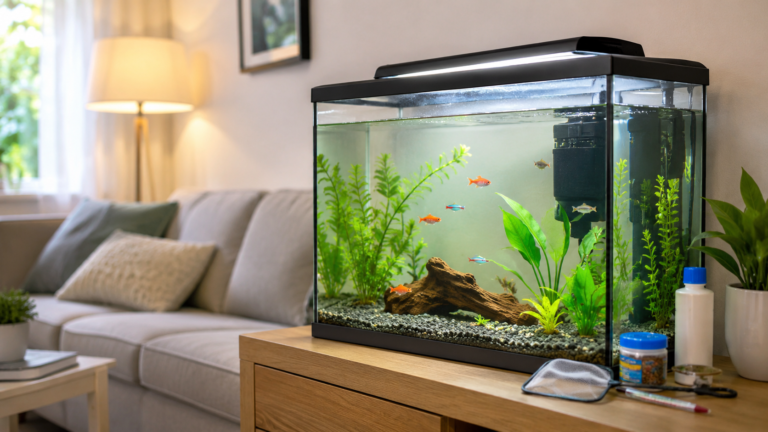
- a minimum of 5 gallons is generally recommended for a single betta
- 10 gallons or more makes water quality much easier to maintain
- a heater is essential, since bettas are tropical fish needing stable warm water, generally around 76-82°F
- a gentle filter helps maintain water quality, though flow should be kept low since strong currents can stress or exhaust a betta’s long fins
Larger tanks are actually easier to keep stable than tiny ones, since water parameters fluctuate less in more volume.
Setting Up and Cycling the Tank
A new aquarium needs to be cycled before a betta is introduced, meaning beneficial bacteria need time to establish and process fish waste safely.
- cycling can take several weeks using bacteria starter cultures or a fishless cycling method
- test water regularly for ammonia, nitrite, nitrate, and pH during this period
- a pH near 7 is generally ideal, though a range of roughly 6.5-7.8 is typically tolerated
- adding live or silk plants gives the tank a more natural feel and extra hiding spots
Skipping the cycling process is one of the most common mistakes new betta owners make, often leading to stressed or sick fish within the first few weeks.
What Do Betta Fish Eat?
Bettas are carnivorous by nature and need a protein-focused diet.
- high-quality betta-specific pellets as a base diet
- occasional treats like freeze-dried or frozen bloodworms and brine shrimp
- feeding small amounts once or twice daily, rather than one large feeding
- avoiding overfeeding, which can quickly foul water quality
Uneaten food should be removed promptly, since leftover food breaks down and negatively affects water quality faster in smaller tanks.
Can Bettas Live With Other Fish?
Bettas have a reputation for aggression, particularly toward other bettas, which is part of why they are sometimes called Siamese fighting fish.
- two male bettas should never be housed together
- tankmates should be chosen carefully, avoiding brightly colored or long-finned fish that might be seen as rivals
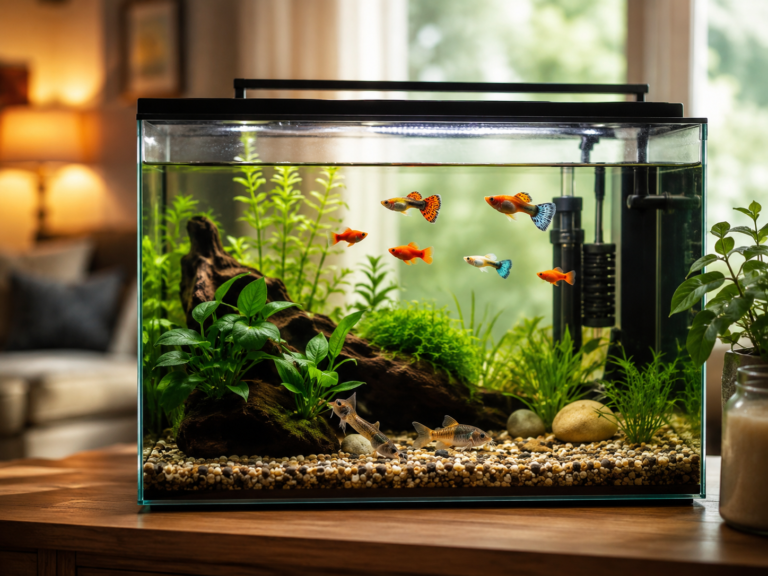
- some calm, peaceful species can coexist with bettas in a large enough tank, but compatibility varies by individual fish
- a solo betta in a properly set up tank is often the simplest, lowest-stress option
Is a Betta Fish Good for Apartments?
Yes, a betta fish is an excellent apartment pet, since the entire habitat is self-contained.
- completely silent, with no noise concerns for shared walls
- compact footprint even with a properly sized tank
- no outdoor space or yard needed
If you are weighing other apartment-friendly pet options, read: Best Pets for Apartments: Friendly Options for Small Homes.
Is a Betta Fish Good for First-Time Owners?
A betta can be a great first aquarium pet, provided the owner is willing to set up and maintain a proper tank rather than a bowl.
A beginner may do well with a betta if they are ready to:
- invest in a properly sized, heated, filtered tank
- cycle the tank before adding the fish
- test water parameters regularly
- commit to consistent feeding and maintenance
For a broader look at beginner-friendly pets, read: Best Pets for First-Time Owners: Beginner-Friendly Companion Animals.
Common Mistakes New Betta Owners Make
- keeping a betta in a small, unheated bowl or vase
- skipping the tank cycling process entirely
- overfeeding, which fouls water quality quickly
- housing two male bettas together
- using overly strong water flow that stresses the fish’s fins
- not testing water parameters regularly
Best Home Fit for a Betta Fish
A betta fish may be a great fit for:
- apartment dwellers wanting a quiet, low-space pet
- people interested in learning proper aquarium care
- first-time fish owners ready to do it right
- anyone who wants a strikingly colorful, low-noise companion
A betta fish may be a poor fit for:
- people wanting a true zero-maintenance pet
- anyone unwilling to invest in a proper tank setup
- those hoping to keep two male bettas together
Final Verdict: Is a Betta Fish Right for You?
A betta fish as a pet can be a rewarding, low-noise, visually stunning companion for the right home, especially one ready to set up a real tank instead of a bowl.
Choose a betta if you want a colorful, characterful fish and are ready to invest in proper tank size, heating, and cycling from day one.
Choose a different pet if you want something entirely hands-off or plan to skip a proper aquarium setup.
Small fish. Big personality. A real tank makes all the difference.