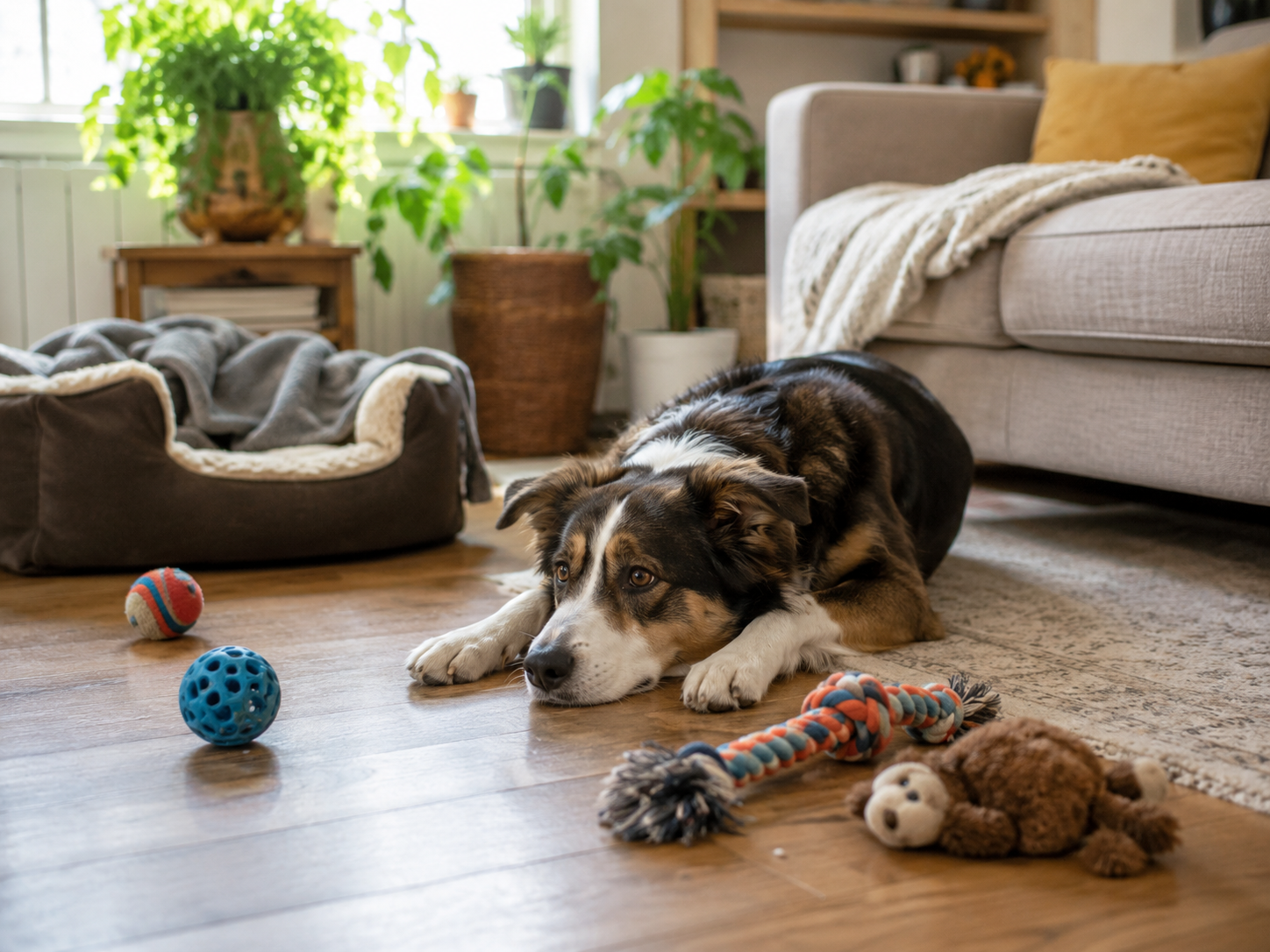
Why Is My Dog Bored? 9 Enrichment Mistakes Owners Often Miss
Your dog has toys, regular walks, food, a comfortable bed, and people who care about them.
So why do they still seem bored?
Dog boredom is not always caused by a complete lack of activity. Sometimes the problem is that every day feels exactly the same. The same walk, the same toys on the floor, the same short play session, and long stretches with nothing interesting to do.
A dog can be physically tired but still mentally under-stimulated.
Enrichment gives dogs safe ways to sniff, search, solve problems, chew, learn, explore, and use natural behaviors. It does not require expensive equipment or hours of entertainment. Small changes in the daily routine can make a noticeable difference.
This guide explains nine enrichment mistakes owners often miss, what bored behavior may look like, and how to build a more interesting routine without making your day complicated.
The Pet Room shares general pet lifestyle information and does not provide veterinary or medical advice. Sudden behavior changes, unusual lethargy, appetite changes, anxiety, pain-related behavior, or destructive behavior that appears without an obvious reason should be discussed with a qualified veterinarian or certified behavior professional.
Quick Answer: Why Does My Dog Still Seem Bored?
Your dog may still seem bored because their routine includes physical movement but not enough variety, sniffing, problem-solving, choice, or meaningful interaction.
Common reasons include:
- taking the same rushed walk every day
- leaving every toy available all the time
- focusing only on physical exercise
- not allowing enough sniffing
- offering activities that are too easy
- leaving the dog inactive for long periods
- repeating identical games
- forgetting short training sessions
- giving toys without playing together
A busy-looking routine is not always an enriching routine.
Common Signs a Dog May Be Bored
Boredom can look different from one dog to another.
Possible signs include:
- chewing household objects
- stealing socks or other items
- pacing around the home
- repeatedly asking for attention
- barking more than usual
- digging indoors or in the yard
- carrying toys around without playing
- following you constantly
- becoming overly excited by small events
- struggling to settle after basic exercise
These behaviors do not prove that boredom is the cause. They may also be connected to stress, fear, training needs, environmental changes, or health concerns.
Look at the full situation rather than assuming every unwanted behavior is boredom.
Mistake 1: Thinking a Walk Is Enough
Walks are important, but not every walk provides the same value.
A fast walk where the dog is constantly pulled away from smells may provide physical movement without much mental stimulation.
Dogs experience much of the world through scent. Sniffing gives them information about other animals, people, food, weather, and changes in the environment.
Try This Instead
Add a slower “sniff section” to the walk.
Let your dog:
- choose between two safe directions
- investigate interesting smells
- pause near trees or grass
- explore a different route
- walk at a relaxed pace for part of the outing
The entire walk does not need to be slow. Even ten minutes of relaxed sniffing can make it more interesting.
Mistake 2: Leaving Every Toy Out All the Time
A floor covered in toys may look enriching, but constant access can make toys feel predictable.
When the same objects remain available every day, some dogs stop noticing them.
Try This Instead
Create a simple toy rotation.
Keep a few toys available and store the others. Swap them every few days or once a week.
You can rotate between:
- plush toys
- rubber toys
- tug toys
- food puzzles
- balls
- chew toys
- scent games
You do not necessarily need more toys. You may simply need to present the existing ones differently.
For toy ideas, read Best Dog Toys for Bored Dogs: Keep Your Dog Busy and Happy.
Mistake 3: Focusing Only on Physical Exercise
Running, walking, and playing fetch can tire the body.
They do not always challenge the brain.
Some active dogs become physically fitter without becoming easier to satisfy. The owner keeps increasing exercise, while the dog still needs problem-solving, sniffing, training, and variety.
Try This Instead
Balance movement with mental activities such as:
- puzzle feeders
- treat searches
- short training games
- toy identification
- hide-and-seek
- scent walks
- supervised shredding activities
- simple household obstacle routes
A tired body may need rest. A satisfied dog often benefits from both movement and mental engagement.
Mistake 4: Not Letting the Dog Sniff Enough
Owners sometimes treat sniffing as a distraction from the “real” walk.
For the dog, sniffing may be one of the most valuable parts.
Constantly rushing the dog past every interesting smell can make the outing repetitive and frustrating.
Try This Instead
Use different types of walks:
- exercise walk for steady movement
- sniff walk for exploration
- training walk for practicing skills
- social walk in a calm new place
- short decompression walk at the dog’s pace
The walk does not need to serve the same purpose every day.
Mistake 5: Offering Activities That Are Too Easy or Too Difficult
A puzzle that can be solved immediately may not hold attention.
A puzzle that feels impossible may cause frustration.
The best enrichment offers a manageable challenge.
Try This Instead
Start easy and increase difficulty gradually.
For example:
- place treats visibly on a snuffle mat
- hide them slightly deeper
- use several hiding locations
- introduce a simple puzzle feeder
- combine a search game with a familiar cue
Watch how your dog responds. The goal is curiosity and engagement, not confusion.
Mistake 6: Repeating the Same Game Every Day
Fetch may be your dog’s favorite activity, but even a favorite game can become predictable.
Variety does not mean abandoning what your dog loves. It means changing the format occasionally.
Try These Variations
Instead of identical fetch sessions:
- ask for a simple cue before throwing
- hide the toy and let the dog search
- alternate between two toys
- roll the ball instead of throwing it
- add a short tug game
- finish with a calm chew or sniff activity
Small changes can make a familiar activity feel new again.
Mistake 7: Forgetting Short Training Sessions
Training is not only about obedience.
Short, positive sessions give dogs a problem to solve and a clear way to interact with their owners.
You do not need a long formal session.
Five minutes may be enough to practice:
- touch
- wait
- find it
- go to bed
- spin
- toy names
- paw
- walking around an object
- bringing a specific toy
Keep sessions simple, rewarding, and appropriate for your dog.
Mistake 8: Leaving Long Empty Gaps in the Day
Many dogs sleep for large parts of the day, which is normal.
However, a routine with very long inactive periods and no meaningful breaks may lead to restlessness, especially in younger, active, or highly social dogs.
Try This Instead
Add brief enrichment moments rather than one long activity.
A realistic day might include:
- morning sniff walk
- breakfast puzzle
- midday chew
- afternoon toy rotation
- evening play or training
- quiet rest afterward
Each activity can be short.
Consistency and variety matter more than entertaining your dog constantly.
Mistake 9: Giving Toys Without Joining the Game
Some toys are designed for independent use.
Others become much more interesting when a person participates.
A rope toy on the floor may be ignored. The same rope may become exciting during a short tug game with you.
Try This Instead
Spend five or ten minutes actively engaging with your dog:
- play tug with rules and breaks
- roll or hide a toy
- practice trading objects
- create a short treat search
- teach the name of a toy
- celebrate when the dog solves a puzzle
Enrichment is not only about objects. Social interaction can be enriching too.
Enrichment Mistakes and Better Swaps
| Common mistake | Better alternative |
|---|---|
| Same rushed walk daily | Rotate routes and allow sniffing |
| Every toy always available | Use a toy rotation |
| Physical exercise only | Add puzzles and training |
| No time to explore smells | Include relaxed sniff walks |
| Puzzle is too difficult | Start simple and increase gradually |
| Repeating one game | Change the rules or environment |
| No mental work | Add five-minute training sessions |
| Long inactive stretches | Use short enrichment breaks |
| Toys offered without interaction | Join the play session |
Six Easy Ways to Enrich Your Dog’s Day
You do not need to use every idea at once.
Choose one or two that fit your routine.
1. Sniff Walk
Visit a safe route with new smells and allow extra time to explore.
2. Toy Rotation
Store most toys and bring out a few different ones each week.
3. Treat Search
Hide a few treats in safe, easy locations and encourage your dog to find them.
4. Puzzle Mealtime
Use a puzzle feeder, treat ball, or snuffle mat for part of a meal.
5. Mini Training Game
Practice one simple skill for five minutes.
6. Short Interactive Play
Use tug, fetch, or another favorite game in a focused ten-minute session.
A Simple Daily Dog Enrichment Routine
A realistic routine does not need to fill every hour.
Morning
Take a walk that includes both movement and sniffing.
Breakfast
Use part of the meal in a puzzle feeder or simple search activity.
Midday
Offer a safe, appropriate chew or a calm enrichment toy.
Afternoon
Introduce one rotated toy or a short training exercise.
Evening
Spend ten to fifteen minutes playing together, practicing skills, or exploring a different walking route.
Night
Allow calm rest in a comfortable sleeping area.
Enrichment should support rest, not create constant excitement.
Best For / Adjust If
This Routine May Work Well For:
- indoor dogs
- apartment dogs
- dogs with predictable schedules
- dogs that lose interest in toys
- owners with limited time
- dogs that enjoy food puzzles
- dogs that benefit from variety
Adjust the Routine If:
- your dog becomes frustrated by puzzles
- the activity creates excessive excitement
- your dog guards food or toys
- your dog has mobility limitations
- the dog destroys or swallows toy pieces
- the activity appears stressful
- behavior changes suddenly
Choose products and activities that match your dog’s size, play style, age, and supervision needs.
Apartment, House, and Yard Enrichment
Apartment
Use:
- sniff walks
- hallway treat searches
- puzzle feeders
- toy rotation
- short training sessions
- window observation where appropriate
House
Use different safe rooms for:
- hide-and-seek
- food searches
- toy finding
- simple obstacle routes
- calm rest zones
Yard
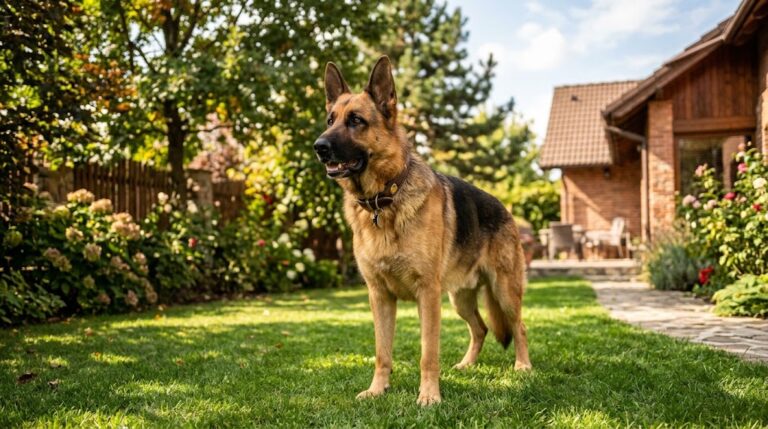
A yard adds space, but it does not automatically provide enrichment.
Try:
- supervised treat searches
- new safe objects to investigate
- short training games
- sniffing around different areas
- interactive play with the owner
Being alone in the same yard every day can become just as predictable as being indoors.
When Boredom May Not Be the Real Problem
Do not assume boredom explains every behavior.
Speak with a veterinarian when you notice:
- sudden lethargy
- sudden restlessness
- appetite changes
- unusual vocalization
- reluctance to walk or play
- signs of pain
- major sleep changes
- sudden destructive behavior
- repeated compulsive behavior
- a significant personality change
A veterinarian can help rule out health problems. A qualified trainer or behavior professional may also help with persistent behavior concerns.
Product Suggestions for Dog Enrichment
Useful product ideas for this article:
- snuffle mat
- puzzle feeder
- treat-dispensing ball
- lick mat
- interactive dog puzzle
- durable tug toy
- safe chew toy
- toy storage basket
- long training lead
- treat pouch
- washable enrichment mat
- slow feeder bowl
Real-Life Plan: Start With Three Changes
Trying to rebuild your dog’s entire routine overnight is unnecessary.
Start with three changes:
- allow more sniffing on one daily walk
- rotate toys instead of leaving all of them out
- add one five-minute training or search game
Watch which activity your dog enjoys most.
Then adjust the routine based on your dog’s personality, rather than copying a complicated schedule from someone else.
Final Thoughts: A Tired Dog Is Not Always an Entertained Dog
A dog can walk every day, own a basket of toys, and still need more variety.
Enrichment is not about keeping your dog busy every second. It is about giving them healthy opportunities to move, sniff, search, learn, chew, play, make choices, and rest.
The most effective changes are often simple:
- a slower sniff walk
- a rotated toy
- a hidden treat
- a short training game
- ten focused minutes of play
- a more varied daily routine
Your dog does not need a perfect schedule.
They need a life that does not feel exactly the same every day.
Read Next
- Best Dog Toys for Bored Dogs: Keep Your Dog Busy and Happy
- Best Dog Brushes for Shedding: What Beginners Should Know Before Buying One
- Beagle as a Pet: Is This Curious Family Dog Right for You?
- Dachshund as a Pet: Is This Small Dog With a Big Personality Right for You?
- Boston Terrier as a Pet: Is This Funny Small Dog Right for You?
- Best Pets for Apartments