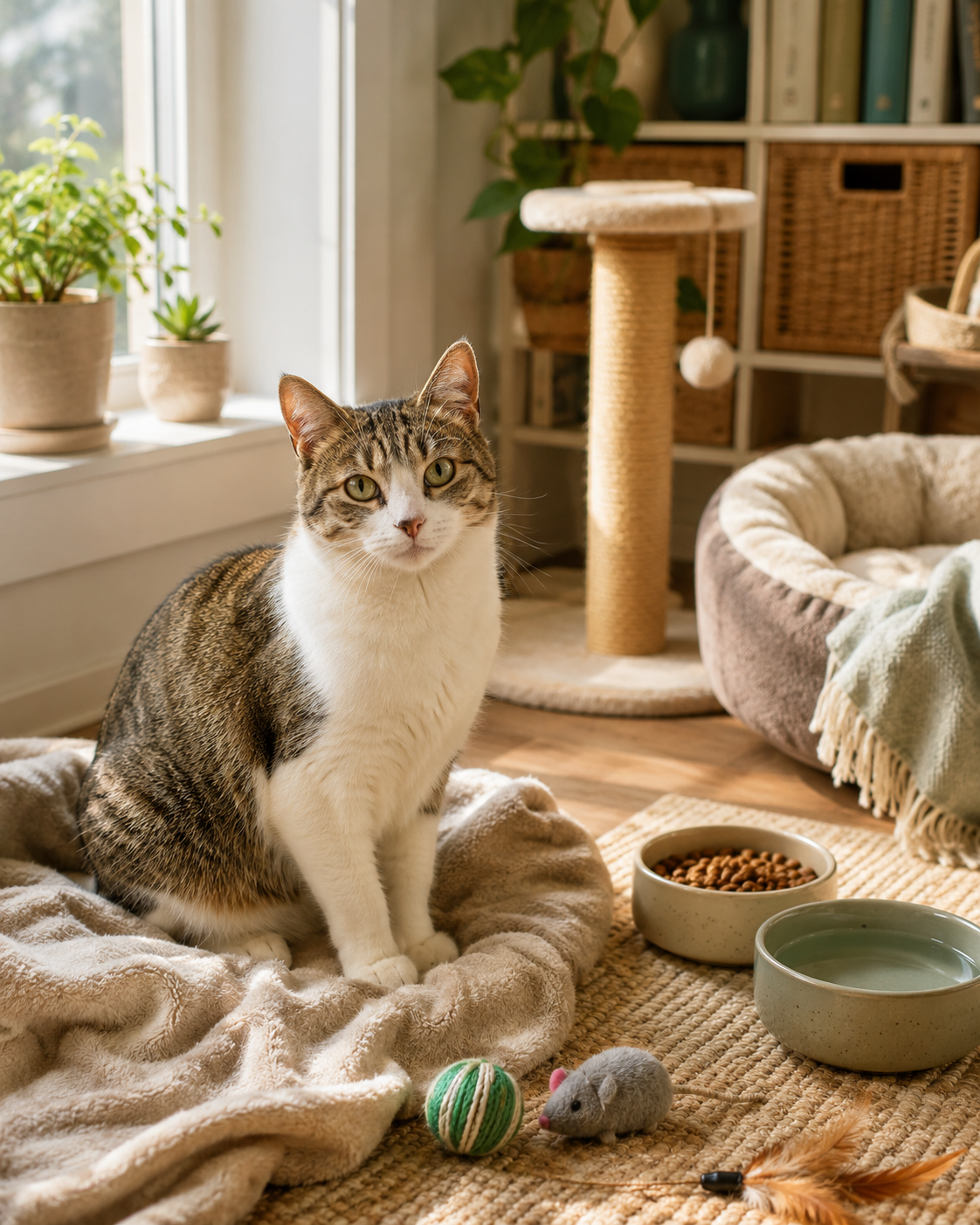
Cat as a Pet: Is a Cat the Right Companion for Your Home?
Cats are one of the most popular pets in the world, and it is easy to understand why.
They can be calm, funny, affectionate, independent, playful, and surprisingly full of personality. A cat can fit beautifully into many homes, from apartments to family houses, especially for people who want a companion but may not have the schedule for a high-energy dog.
But cats are not “easy pets” just because they are independent.
A cat still needs daily care, attention, food, water, litter box cleaning, safe enrichment, playtime, and a home that matches its personality. Some cats are cuddly and social. Others are shy, sensitive, or more independent.
If you are thinking about getting a cat as a pet, this guide will help you understand what life with a cat is really like before you bring one home.
The Pet Room shares general pet lifestyle information. We do not provide veterinary or medical advice. For health concerns, always contact a qualified veterinarian.
Are Cats Good Pets for Beginners?
Cats can be great pets for beginners, but they are not the same as “no-effort” pets.
Compared with dogs, cats usually need less direct supervision during the day. They do not need outdoor walks, they are often comfortable indoors, and many cats can adapt well to a calm home routine.
A cat may be a good beginner pet if you want:
- a companion animal with personality
- a pet that can live indoors
- a pet that does not need daily walks
- a quieter pet than many dogs
- a pet that can fit in an apartment
- a mix of independence and affection
- a pet you can play with, watch, and bond with over time
However, a cat still needs time, money, patience, and daily care. The litter box does not clean itself, boredom can cause behavior problems, and not every cat wants to be carried or cuddled constantly.
What Is Life With a Cat Really Like?
Life with a cat can feel calm and cozy, but also unpredictable in funny ways.
A cat may sleep for hours, then suddenly run around the house, chase a toy, climb onto furniture, or ask for attention. Some cats follow their owners from room to room. Others enjoy being nearby without sitting directly on your lap.
Most cats enjoy routine. They usually like knowing where their food, water, litter box, bed, and favorite resting spots are. Sudden changes can make some cats nervous, especially shy or sensitive cats.
A normal day with a cat may include:
- feeding
- refreshing water
- cleaning the litter box
- short play sessions
- checking that the cat has safe spaces
- giving attention when the cat wants it
- keeping the home calm and cat-friendly
Cats are not usually as demanding as dogs, but they still need daily interaction.
Are Cats Affectionate?
Many cats are affectionate, but they show affection in different ways.
Some cats love sitting on laps, sleeping near their owners, rubbing against legs, or following people around the house. Others are more subtle. They may sit in the same room, blink slowly, sleep nearby, or gently touch you with a paw.
A beginner should understand that cats are not all the same.
Some cats enjoy being picked up. Some do not. Some want frequent attention. Others prefer short interactions. A cat can love you and still not want to be held all the time.
The best relationship with a cat usually comes from respecting its boundaries.
Are Cats Good Apartment Pets?
Yes, cats can be excellent apartment pets when their environment is set up properly.
Cats do not need a yard, and many are happy living indoors if they have enough enrichment, resting places, scratching options, and playtime. This makes them a popular choice for apartment living.
A cat can do well in an apartment if you provide:
- a clean litter box
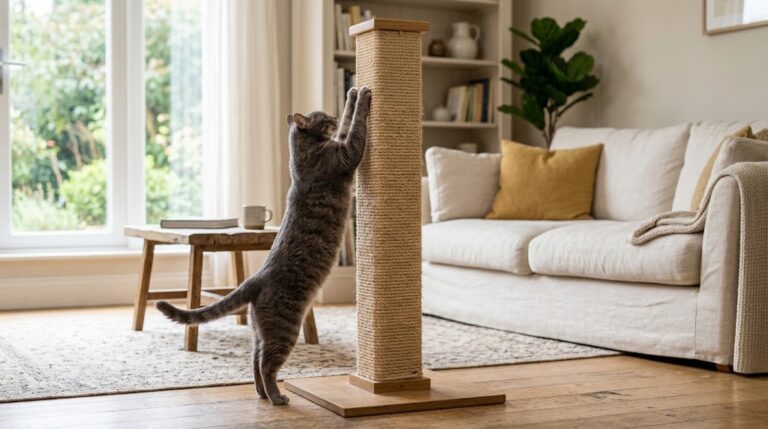
- safe scratching posts
- cozy sleeping spots
- toys
- climbing spaces
- window views if possible
- regular playtime
- a calm routine
A small home can still be a good home for a cat if the space is used well.
Vertical space matters. Cat trees, shelves, window perches, and cozy raised spots can help a cat feel more comfortable without needing a huge floor plan.
If you are comparing different pets for smaller spaces, you may also like this guide: Best Pets for Apartments
Do Cats Need a Lot of Attention?
Cats are often described as independent, but that does not mean they should be ignored.
Most cats need daily attention in some form. This may include play, gentle interaction, grooming, talking to them, or simply spending time in the same room.
Indoor cats especially need enrichment because they do not have the same natural stimulation they would find outside. Without toys, scratching surfaces, climbing options, and playtime, some cats may become bored.
Good enrichment can include:
- wand toys
- toy mice
- puzzle feeders
- scratching posts
- cat trees
- tunnels
- window perches
- cozy hiding spots
A cat does not need entertainment every minute, but it does need a home that gives it something to do.
Are Cats Good for Families?
Cats can be good family pets, but the match depends on the cat and the household.
Some cats are calm and patient around children. Others are sensitive to noise, fast movement, or rough handling. Families should teach children to respect the cat’s space and body language.
Children should understand:
- not to pull tails or ears
- not to chase the cat
- not to pick up the cat without help
- not to disturb the cat while sleeping
- to let the cat walk away
- to use toys instead of hands during play
A cat can be a wonderful family companion when everyone understands gentle interaction.
Are Cats Good for First-Time Pet Owners?
Cats can be a good choice for first-time pet owners who want a companion but do not want the daily walking schedule of a dog.
They may be easier to fit into a busy home than some pets, but they still require responsibility.
A cat may be a good first pet if you are ready for:
- daily feeding
- litter box cleaning
- regular playtime
- grooming depending on coat type
- safe indoor setup
- long-term commitment
- pet expenses
- patience during the adjustment period
If you are still comparing beginner pets, read this next: Best Pets for First-Time Owners
Kitten or Adult Cat: Which Is Better for Beginners?
Many people want a kitten because kittens are cute, playful, and tiny. But kittens can also be a lot of work.
Kittens are energetic, curious, and often need more supervision. They may climb, scratch, chew, hide, and get into small spaces. They also need patient training and safe boundaries.
Adult cats can sometimes be easier for beginners because their personality is more developed. You may have a better idea of whether the cat is calm, playful, shy, social, or independent.
A kitten may be better if you want:
- high energy
- lots of play
- a young pet to raise
- a very active home experience
An adult cat may be better if you want:
- a more predictable personality
- a calmer routine
- a cat that may already know basic home habits
- a better sense of temperament before adoption
Both can be wonderful choices. The best option depends on your home and schedule.
Indoor Cat Basics
Many pet cats live indoors, especially in apartments or busy neighborhoods.
An indoor cat needs a safe environment that includes places to rest, scratch, climb, hide, and play. The goal is to make the home interesting enough that the cat can express natural behavior safely.
Basic indoor cat needs include:
- litter box
- cat food
- fresh water
- scratching post
- toys
- bed or blanket
- safe hiding spot
- climbing area
- grooming tools
- carrier
Indoor cats also need mental stimulation. A bored cat may scratch furniture, knock things over, overeat, or become frustrated.
Simple daily play can make a big difference.
What Supplies Do You Need for a Cat?
Before bringing a cat home, prepare the basics first.
Useful cat supplies include:
- food bowl
- water bowl or pet water fountain
- litter box
- cat litter
- litter scoop
- scratching post
- cat tree
- toys
- bed
- grooming brush
- nail clippers
- cat carrier
- cleaning supplies
It is better to have the main setup ready before the cat arrives. A new home can feel stressful at first, so having a quiet, prepared space helps the cat adjust.
Useful Cat Supplies for New Owners
- cat litter box
- cat litter mat
- scratching post
- cat tree
- cat bed
- cat carrier
- food and water bowls
- pet water fountain
- wand toys
- grooming brush
- toy variety pack
Pros of Having a Cat
Cats can be amazing pets for the right person.
Some of the biggest benefits include:
- they can live indoors
- they are usually quieter than many dogs
- they do not need outdoor walks
- they can be affectionate
- they are fun to watch
- they can fit well in apartments
- they can be playful and entertaining
- they often enjoy routine
- they can be good companions for busy adults
Cats can bring a lot of comfort to a home without needing the same daily structure as a dog.
Cons of Having a Cat
Cats also come with challenges.
Some common downsides include:
- litter box cleaning
- scratching behavior
- shedding
- furniture climbing
- nighttime activity
- possible picky eating
- adjustment time
- long-term costs
- not every cat is cuddly
The biggest mistake is assuming a cat will behave exactly how you want.
A cat is not a decoration. It is a living animal with preferences, habits, and boundaries.
Who Should Get a Cat?
A cat may be a good fit if you want a pet that is affectionate but not always demanding.
Cats are often a good match for:
- apartment owners
- first-time pet owners
- adults with moderate schedules
- families with gentle children
- people who like quiet companionship
- people who enjoy cozy home pets
- people who can commit to daily care
A cat may also be a good choice if you want a pet that can be playful but does not need outdoor walks.
Who Should Not Get a Cat?
A cat may not be the right pet if you want a pet that obeys commands like a dog, enjoys constant handling, or never damages furniture.
You may want to think twice if:
- you do not want to clean a litter box
- you hate pet hair
- you want a pet that never climbs
- you want a pet that enjoys constant carrying
- you cannot handle scratching behavior
- you are not ready for long-term care
- you want a completely silent pet
- you do not want to spend money on supplies
Cats can be easier than some pets, but they are not responsibility-free.
Common Beginner Mistakes
New cat owners often make a few common mistakes.
These include:
- buying supplies after the cat arrives
- not having enough scratching options
- placing the litter box in a stressful location
- expecting instant affection
- forcing the cat to be held
- not playing with the cat enough
- ignoring hiding behavior during adjustment
- using hands as toys
- not giving the cat vertical space
- assuming all cats have the same personality
A better approach is to prepare first, move slowly, and let the cat adjust at its own pace.
Final Thoughts: Is a Cat the Right Pet for You?
A cat can be a wonderful pet for the right home.
Cats can be affectionate, funny, calm, playful, and deeply comforting. They are often easier to fit into apartment life than many larger pets, and they do not need daily walks.
But cats still need care, attention, patience, supplies, enrichment, and respect.
If you want a pet that can be independent but still loving, a cat may be a great choice. If you want constant cuddles, perfect obedience, or a pet with no mess and no effort, a cat may not be the right match.
Choose carefully, prepare your home first, and remember: a good cat-owner relationship is built on trust, routine, and patience.



3 Comments