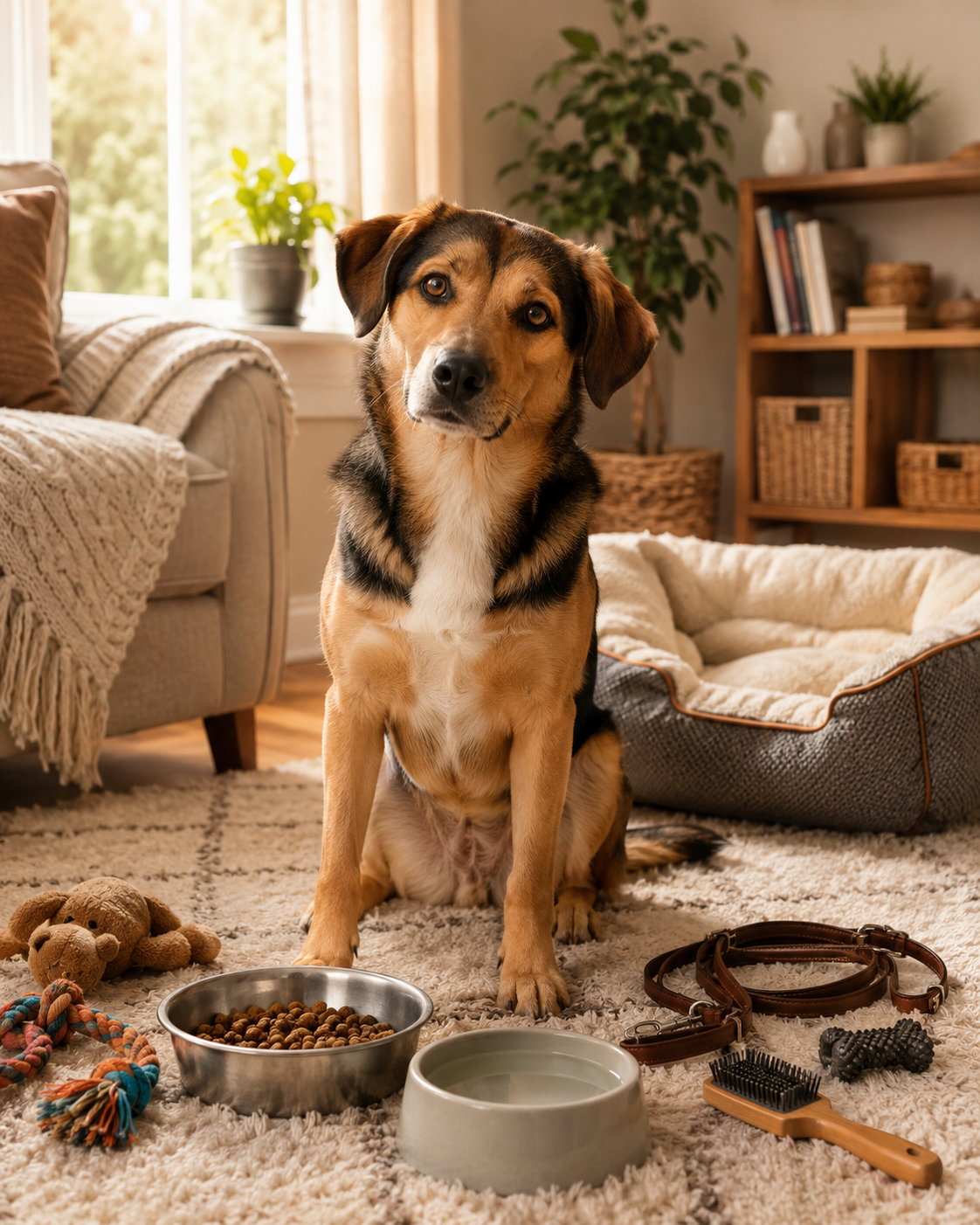
Dog as a Pet: Is a Dog the Right Companion for You?
Dogs are loyal, social, playful, emotional, and often deeply connected to their owners. For many people, a dog is not just a pet. It becomes part of the family.
But getting a dog is also one of the biggest pet commitments you can make.
A dog needs daily attention, exercise, training, feeding, cleaning, patience, social time, supplies, and a routine that fits its age, size, energy level, and personality. Some dogs are calm and easygoing. Others are energetic, vocal, strong, sensitive, or demanding.
If you are thinking about getting a dog as a pet, this guide will help you understand what life with a dog is really like before you bring one home.
The Pet Room shares general pet lifestyle information. We do not provide veterinary or medical advice. For health concerns, always contact a qualified veterinarian.
Are Dogs Good Pets for Beginners?
Dogs can be amazing pets for beginners, but they are not the easiest pets for every lifestyle.
Compared with cats, fish, birds, or small pets, dogs usually need more direct daily involvement. They need walks, training, attention, playtime, bathroom breaks, and a steady routine.
A dog may be a good beginner pet if you want:
- a highly social companion
- a pet that bonds closely with people
- daily interaction and activity
- a pet you can train
- a walking or outdoor companion
- a family-friendly pet
- a pet that enjoys routine
- a long-term emotional connection
However, dogs are not a good choice if you want a pet that can be ignored most of the day or left alone for long periods without planning.
A dog is not a decoration for your home. It is a daily lifestyle commitment.
What Is Life With a Dog Really Like?
Life with a dog usually has more structure than life with many other pets.
Most dogs need to go outside several times a day. They need feeding on a schedule, bathroom breaks, playtime, training, and attention. Some dogs are calm indoors, while others need more exercise before they can relax.
A normal day with a dog may include:
- morning bathroom break
- feeding
- walk or exercise
- playtime
- training practice
- cleaning muddy paws or fur
- checking water
- evening walk
- quiet bonding time
Dogs often want to be near their people. Some follow their owners from room to room. Others are more independent, but most dogs still need social connection.
This is one of the best parts of having a dog, but also one of the biggest responsibilities.
Do Dogs Need a Lot of Time?
Yes, dogs usually need more time than many beginner pet owners expect.
Even a calm dog still needs daily care. Puppies, high-energy breeds, and dogs with strong working instincts may need even more structure, supervision, and training.
Before getting a dog, ask yourself:
- Do I have time for daily walks?
- Can I handle bathroom breaks?
- Am I home enough for a social pet?
- Can I afford supplies and routine care?
- Am I ready to train patiently?
- Can I deal with barking, shedding, or mess?
- Do I want a pet that depends on me every day?
A dog can bring a lot of love into your life, but it will also change your schedule.
Are Dogs Good Apartment Pets?
Some dogs can live very well in apartments, but the right match matters.
Apartment living is not only about size. Energy level, noise, training, bathroom routine, and exercise needs are just as important. A small dog is not automatically a good apartment dog, and a larger calm dog may sometimes be easier than a tiny high-energy dog.
A dog may do well in an apartment if:
- it gets enough walks
- it has a predictable routine
- it is not extremely vocal
- it has a calm indoor setup
- it has safe toys and enrichment
- the owner has time for bathroom breaks
- the building allows dogs
For apartment living, the dog’s personality and routine matter more than looks.
If you are comparing pets for smaller spaces, read this guide too: Best Pets for Apartments
Puppy or Adult Dog: Which Is Better for Beginners?
Many people want a puppy because puppies are cute, playful, and exciting. But puppies are also a lot of work.
A puppy may need help with house training, chewing, biting, socialization, basic commands, sleeping routines, and learning how to behave indoors. Puppies can be wonderful, but they are not easy.
An adult dog may sometimes be better for beginners because its personality, size, and energy level are easier to understand. Some adult dogs already have basic habits and may settle into a home more calmly.
A puppy may be better if you want:
- a young dog to raise
- lots of play and energy
- early training from the beginning
- a very active home experience
- time for supervision and patience
An adult dog may be better if you want:
- a more predictable personality
- a calmer routine
- a better idea of size and temperament
- less puppy chaos
- a dog that may already understand home life
Both can be great choices. The best choice depends on your time, patience, and lifestyle.
What Supplies Do You Need for a Dog?
Before bringing a dog home, prepare the basics first.
Useful beginner dog supplies include:
- dog food bowl
- water bowl
- collar
- leash
- harness
- dog bed
- crate or safe resting area
- toys
- chew toys
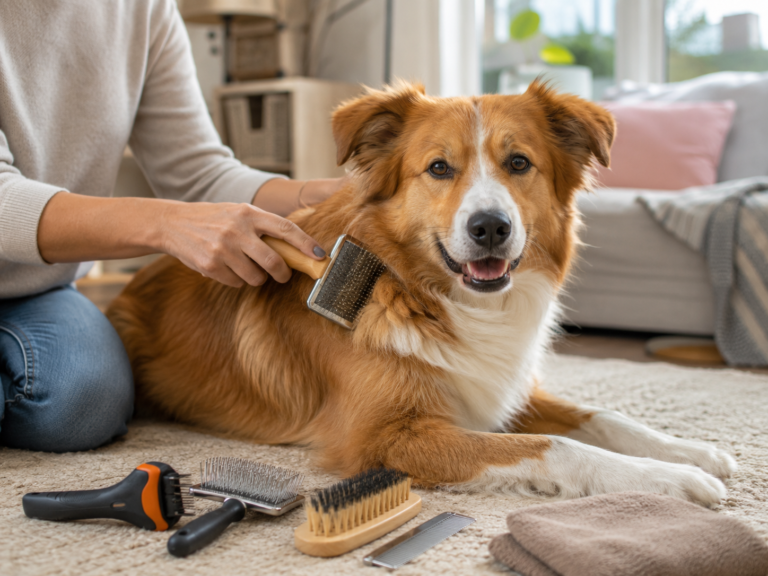
- grooming brush
- poop bags
- cleaning supplies
- training treats
- ID tag
- food storage container
The right supplies make the first days easier and help your dog understand its new routine.
Do not wait until the dog is already home to think about the setup.
Useful Dog Supplies for New Owners
- dog leash
- comfortable harness
- dog bed
- food and water bowls
- slow feeder bowl
- chew toys
- training treats
- poop bags
- grooming brush
- crate or dog playpen
- washable dog blanket
- dog toy variety pack
Do Dogs Need Training?
Yes, every dog benefits from training.
Training is not only for tricks. It helps dogs understand how to live safely and calmly with people. Basic training can make daily life easier and reduce confusion for both the dog and the owner.
Beginner training may include:
- sit
- stay
- come
- leash walking
- waiting calmly
- bathroom routine
- not jumping on people
- leaving unsafe items alone
- settling in a bed or crate
Training should be patient, consistent, and realistic. Dogs learn through repetition and routine.
A dog does not automatically know what you expect just because it loves you.
Do Dogs Need Exercise Every Day?
Most dogs need daily movement, but the amount depends on the dog.
Some dogs are happy with short walks and gentle play. Others need longer walks, active games, running space, or mental challenges. Breed, age, size, and personality all matter.
Exercise can include:
- walks
- playtime
- fetch
- training games
- sniffing walks
- puzzle toys
- safe outdoor time
- gentle indoor games
Mental exercise matters too. A dog that is bored may bark, chew, dig, pace, or become difficult to manage.
A tired dog is not only physically tired. It also needs mental satisfaction.
Are Dogs Good for Families?
Dogs can be wonderful family pets, but the match must be chosen carefully.
Some dogs are gentle and patient with children. Others may be too energetic, sensitive, or easily overwhelmed. Families should teach children how to interact respectfully with dogs.
Children should understand:
- do not pull ears or tails
- do not climb on the dog
- do not bother the dog while eating
- do not disturb the dog while sleeping
- do not take toys from the dog’s mouth
- give the dog space when it walks away
- use calm voices and gentle hands
Adults should always supervise children and dogs together.
A good family dog is not only cute. It must fit the home, schedule, noise level, and energy of the family.
Are Dogs Expensive Pets?
Dogs can be more expensive than many people expect.
Costs can include food, supplies, grooming, training, pet sitting, routine care, toys, cleaning products, and unexpected expenses. Larger dogs may cost more because they usually need more food, larger beds, stronger supplies, and bigger equipment.
Before getting a dog, think about:
- food costs
- supplies
- grooming
- training
- boarding or pet sitting
- cleaning products
- replacement toys
- routine appointments
- emergency savings
A dog is a long-term financial commitment, not just a one-time adoption or purchase cost.
Pros of Having a Dog
Dogs can be incredible companions for the right person.
Some of the biggest benefits include:
- strong emotional bond
- daily companionship
- motivation to walk more
- playful energy
- family connection
- trainability
- loyalty
- routine and structure
- social interaction
- comfort and affection
A good dog-owner bond can be one of the most rewarding relationships in pet ownership.
Cons of Having a Dog
Dogs also come with challenges.
Some common downsides include:
- daily walks
- bathroom breaks
- barking
- shedding
- training needs
- chewing
- jumping
- muddy paws
- travel planning
- pet sitting needs
- higher costs
- less freedom with your schedule
The biggest mistake is choosing a dog only because it looks cute.
A dog’s needs matter more than appearance.
Who Should Get a Dog?
A dog may be a good fit if you want an active, social, loyal companion and you are ready to build your schedule around daily care.
Dogs are often a good match for:
- people who want daily companionship
- active owners
- families with time and patience
- people who enjoy training
- people who like routines
- owners who can handle walks
- people ready for long-term responsibility
A dog may also be a good choice if you want a pet that interacts with you often and becomes deeply involved in your daily life.
Who Should Not Get a Dog?
A dog may not be the right pet if you want a low-effort animal, travel often without planning, or do not have time for daily care.
You may want to think twice if:
- you do not want daily walks
- you are away from home most of the day
- you do not want training responsibility
- you hate noise or mess
- you cannot handle shedding
- you want a pet that stays in one small setup
- you do not want long-term costs
- you want a pet with very little interaction
If you want a quieter or more independent pet, you may also want to compare dogs with other options, like cats, fish, birds, or small pets.
You can read more here: Cat as a Pet: Is a Cat the Right Companion for Your Home?
Common Beginner Mistakes
New dog owners often make the same mistakes.
Common beginner mistakes include:
- choosing based only on appearance
- underestimating exercise needs
- skipping training
- buying supplies too late
- not planning bathroom routines
- expecting instant perfect behavior
- choosing a breed without researching energy level
- not preparing for costs
- leaving the dog bored
- not setting rules early
A better approach is to choose slowly, prepare first, and match the dog to your actual life.
Not your dream life. Your real daily life.
Is a Dog Better Than a Cat for Beginners?
Dogs and cats can both be great pets, but they are very different.
A dog is usually better if you want more direct interaction, training, outdoor activity, and daily companionship.
A cat may be better if you want a quieter indoor pet that needs less outdoor structure but still offers affection and personality.
Neither is automatically better. The best pet depends on your home, schedule, personality, and budget.
If you are comparing beginner pets, read this guide next: Best Pets for First-Time Owners
Final Thoughts: Is a Dog the Right Pet for You?
A dog can be one of the most loving and rewarding pets you will ever have.
Dogs can bring joy, routine, activity, loyalty, and deep companionship into a home. But they also need daily time, training, patience, supplies, exercise, and long-term commitment.
If you want a pet that becomes part of your everyday life, a dog may be the perfect match.
But if you want a pet that requires very little time, cleaning, training, or planning, a dog may not be the right choice right now.
Choose carefully, prepare your home first, and remember: a dog is not just a cute companion. A dog is a daily commitment.

3 Comments