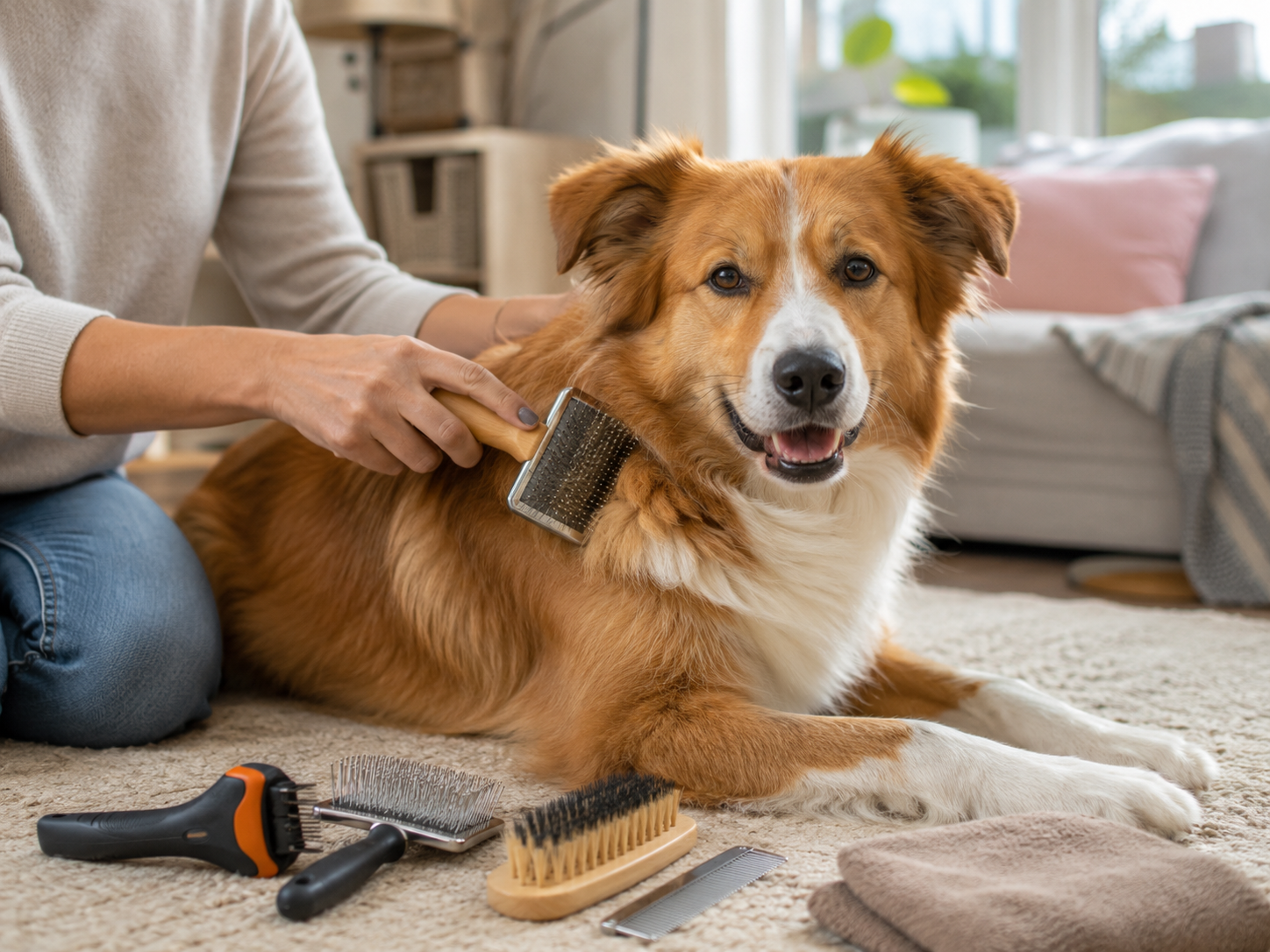
Best Dog Brushes for Shedding: What Beginners Should Know Before Buying One
Dog shedding can feel endless.
You brush your dog, clean the floor, wash the blankets, vacuum the sofa, and somehow there is still loose fur everywhere.
For many dog owners, the problem is not only how much the dog sheds. It is also using the wrong grooming tool for the dog’s coat type.
The best dog brushes for shedding are not the same for every dog. A short-haired dog, long-haired dog, double-coated dog, curly-coated dog, and sensitive dog may all need different grooming tools.
Some dogs do well with a bristle brush. Others need a slicker brush, pin brush, comb, rubber brush, or deshedding tool. The right choice can make brushing easier, more comfortable, and more useful.
This beginner-friendly guide explains common dog brush types, what they are best for, and what to know before buying one.
The Pet Room shares general pet lifestyle information. We do not provide veterinary or medical advice. For health concerns, skin problems, bald patches, irritation, or sudden coat changes, always contact a qualified veterinarian or professional groomer.
Why the Right Dog Brush Matters
Brushing is not only about removing loose fur.
A good brushing routine can help keep your dog’s coat cleaner, reduce loose hair around the home, prevent tangles, and make grooming feel more comfortable. But the wrong brush can pull, scratch, miss loose undercoat, or make your dog dislike grooming.
The right brush can help with:
- loose fur
- seasonal shedding
- coat maintenance
- tangles
- light dirt
- smoother coat texture
- grooming confidence
- cleaner furniture
- bonding time
- easier home care
A brush should match your dog’s coat, not just the amount of hair you see on the floor.
If your dog gets bored between grooming sessions, you may also like this guide: Best Dog Toys for Bored Dogs: Keep Your Dog Busy and Happy
1. Slicker Brush
A slicker brush usually has many fine metal pins on a flat or slightly curved surface.
It is often used for dogs with medium, long, curly, or fluffy coats. A slicker brush can help remove loose fur, light tangles, and small mats before they become harder to manage.
A slicker brush may be useful for:
- medium coats
- long coats
- curly coats
- fluffy coats
- light tangles
- loose surface fur
- regular grooming
Use gentle pressure. A slicker brush should not be dragged roughly across the skin.
For beginners, a slicker brush with comfortable pins and an easy-grip handle can be easier to control.
2. Deshedding Tool
A deshedding tool is designed to help remove loose undercoat.
This type of tool is often used for dogs that shed heavily, especially double-coated breeds. It can collect a lot of loose fur quickly, but it should be used carefully.
A deshedding tool may be useful for:
- double coats
- heavy seasonal shedding
- thick undercoat
- dogs that leave fur everywhere
- controlled grooming sessions
However, deshedding tools are not ideal for every dog. They can be too harsh if used too often or with too much pressure.
Use short, gentle sessions and follow product instructions carefully. If your dog has sensitive skin or coat issues, ask a professional groomer for guidance.
3. Bristle Brush
A bristle brush has soft or firm bristles and is often used to smooth the coat.
It is usually a good choice for short-haired dogs or as a finishing brush after removing loose hair with another tool.
A bristle brush may be useful for:
- short coats
- smooth coats
- light shedding
- finishing the coat
- adding shine
- gentle grooming
A bristle brush may not remove deep undercoat, but it can be comfortable and easy for beginners.
For dogs that dislike stronger grooming tools, a soft bristle brush can be a good starting point.
4. Pin Brush
A pin brush looks similar to a human hairbrush, with longer pins spaced apart.
It is often used for dogs with longer coats, silky coats, or feathering. It can help separate hair, smooth the coat, and reduce tangles without pulling too much.
A pin brush may be useful for:
- long coats
- silky coats
- feathered coats
- daily coat maintenance
- gentle brushing
- finishing after detangling
A pin brush may not be enough for heavy shedding on its own, but it can be very useful in a grooming routine.
For long-haired dogs, pairing a pin brush with a comb can help check for hidden tangles.
5. Rubber Brush
A rubber brush or grooming glove can be useful for short-haired dogs.
Rubber brushes help loosen surface fur while also giving a gentle massage-like feeling. Many short-haired dogs tolerate rubber brushes better than metal tools.
A rubber brush may be useful for:
- short coats
- smooth coats
- light shedding
- dogs that dislike metal brushes
- bath time grooming
- gentle brushing
Rubber brushes are often beginner-friendly because they are simple, soft, and easy to clean.
They may not be strong enough for thick undercoat, but they can work well for regular light grooming.
6. Grooming Comb
A grooming comb is useful for checking the coat after brushing.
Combs can help find tangles, small mats, and areas the brush may have missed. They are especially helpful around longer fur, ears, tails, legs, and feathering.
A grooming comb may be useful for:
- long coats
- curly coats
- finishing after brushing
- checking tangles
- small detailed areas
- coat maintenance
Do not force a comb through a mat. If the comb gets stuck, stop and work slowly or ask a groomer for help.
A comb is not always the main brush, but it is a useful finishing tool.
How to Match the Brush to Your Dog’s Coat
The best dog brush depends mostly on coat type.
A brush that works beautifully for one dog may be uncomfortable or useless for another.
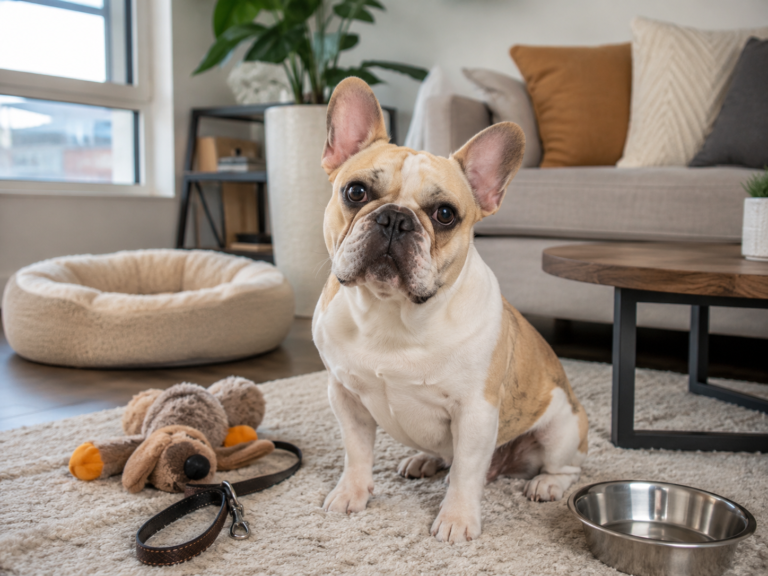
Short-Haired Dogs
Short-haired dogs often do well with:
- rubber brush
- bristle brush
- grooming glove
- soft deshedding tool if needed
These dogs may still shed a lot, but they often need tools that remove surface hair without irritating the skin.
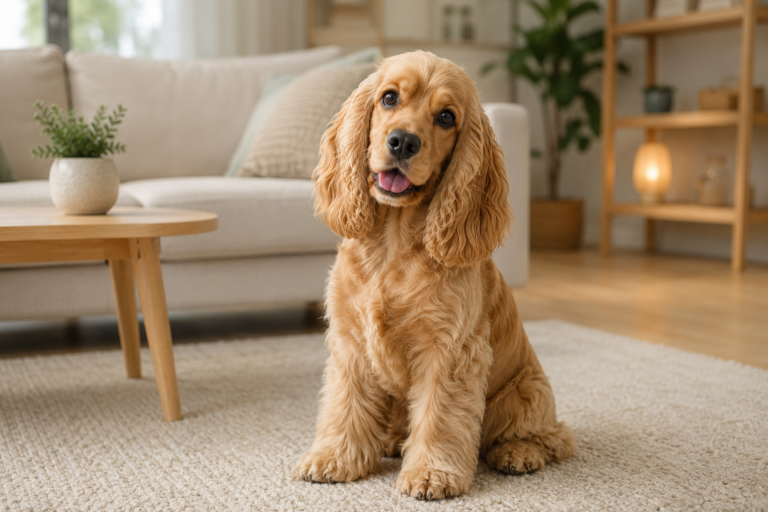
Long-Haired Dogs
Long-haired dogs often do well with:
- pin brush
- slicker brush
- grooming comb
- detangling tools
The goal is not only to remove loose fur, but also to prevent tangles and mats.
Double-Coated Dogs
Double-coated dogs may need:
- deshedding tool
- slicker brush
- undercoat rake
- grooming comb
Double coats can shed heavily, especially during seasonal changes. These dogs often need regular coat care, not just occasional brushing.
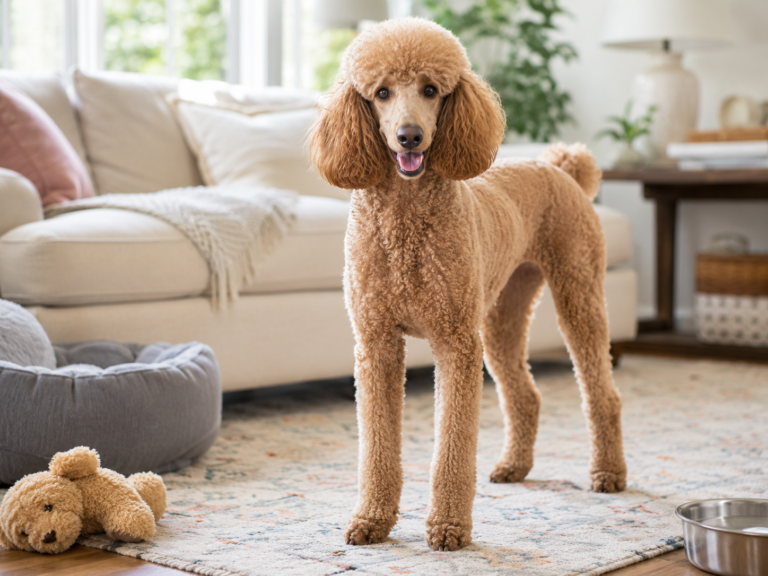
Curly-Coated Dogs
Curly-coated dogs may need:
- slicker brush
- grooming comb
- detangling brush
- professional grooming support
Curly coats can mat if ignored. Brushing should be gentle and consistent.
Sensitive Dogs
Sensitive dogs may need:
- soft bristle brush
- rubber brush
- gentle grooming glove
- shorter sessions
- more rewards
For sensitive dogs, comfort matters more than speed.
Common Dog Brushing Mistakes
Many beginners brush their dogs, but still make grooming harder than it needs to be.
Common mistakes include:
- using the wrong brush for the coat
- brushing too hard
- brushing too long
- ignoring tangles
- using a deshedding tool too often
- brushing only when shedding is already bad
- forgetting to clean the brush
- brushing against the coat harshly
- not rewarding the dog
- ignoring signs of discomfort
Grooming should not feel like a fight.
Short, calm sessions are often better than one long stressful session.
Signs the Brush May Be Wrong for Your Dog
Your dog may show you when a brush is not working.
Warning signs include:
- pulling away
- trying to leave
- flinching
- licking lips repeatedly
- turning to look at the brush
- scratching after brushing
- redness
- the brush catching too much
- the coat still feeling tangled
- loose fur staying trapped
If brushing seems painful or stressful, slow down and try a gentler tool.
A good grooming tool should make the routine easier, not harder.
How Often Should You Brush a Dog That Sheds?
The right brushing schedule depends on your dog’s coat.
Some dogs need brushing once or twice a week. Others need more frequent brushing during seasonal shedding. Long-haired or double-coated dogs may need more regular care to prevent tangles and reduce loose fur.
A simple beginner routine:
- light shedders: once or twice weekly
- heavy shedders: several times weekly
- long coats: regular brushing plus comb checks
- seasonal shedding: brush more often
- sensitive dogs: short gentle sessions
Start small. A few minutes of calm brushing can be better than forcing a long session.
Beginner Dog Brushing Tips
If your dog is new to brushing, make the experience positive.
Try these beginner tips:
- start with short sessions
- brush gently
- follow the direction of hair growth
- work in small sections
- reward your dog
- stop before your dog gets frustrated
- check the skin as you brush
- clean the brush often
- use the right tool for the coat
- ask a groomer if you are unsure
A calm routine helps your dog trust the process.
Useful Dog Brushes for Shedding
- slicker brush for dogs
- deshedding tool for dogs
- bristle brush for short-haired dogs
- pin brush for long-haired dogs
- rubber grooming brush
- grooming glove
- dog grooming comb
- brush cleaning tool
- dog grooming kit
Do Dog Brushes Stop Shedding Completely?
No dog brush can stop natural shedding completely.
Shedding is normal for many dogs. The goal of brushing is to manage loose fur, keep the coat more comfortable, reduce hair around the home, and make grooming part of a regular routine.
If shedding suddenly becomes extreme, patchy, itchy, or unusual, contact a veterinarian.
Normal shedding and sudden coat problems are not the same thing.
Final Thoughts: What Is the Best Dog Brush for Shedding?
The best dog brush for shedding depends on your dog’s coat type, comfort level, and grooming needs.
A slicker brush can help with loose fur and light tangles. A deshedding tool can help with heavy undercoat. A bristle brush can smooth short coats. A pin brush can help longer coats. A rubber brush can be gentle for short-haired dogs. A comb can check for hidden tangles.
You do not need every brush at once.
Start with the tool that matches your dog’s coat, keep sessions short and gentle, and build a routine your dog can tolerate.
The right brush can mean less loose fur, a cleaner home, and a happier dog.
5 Comments