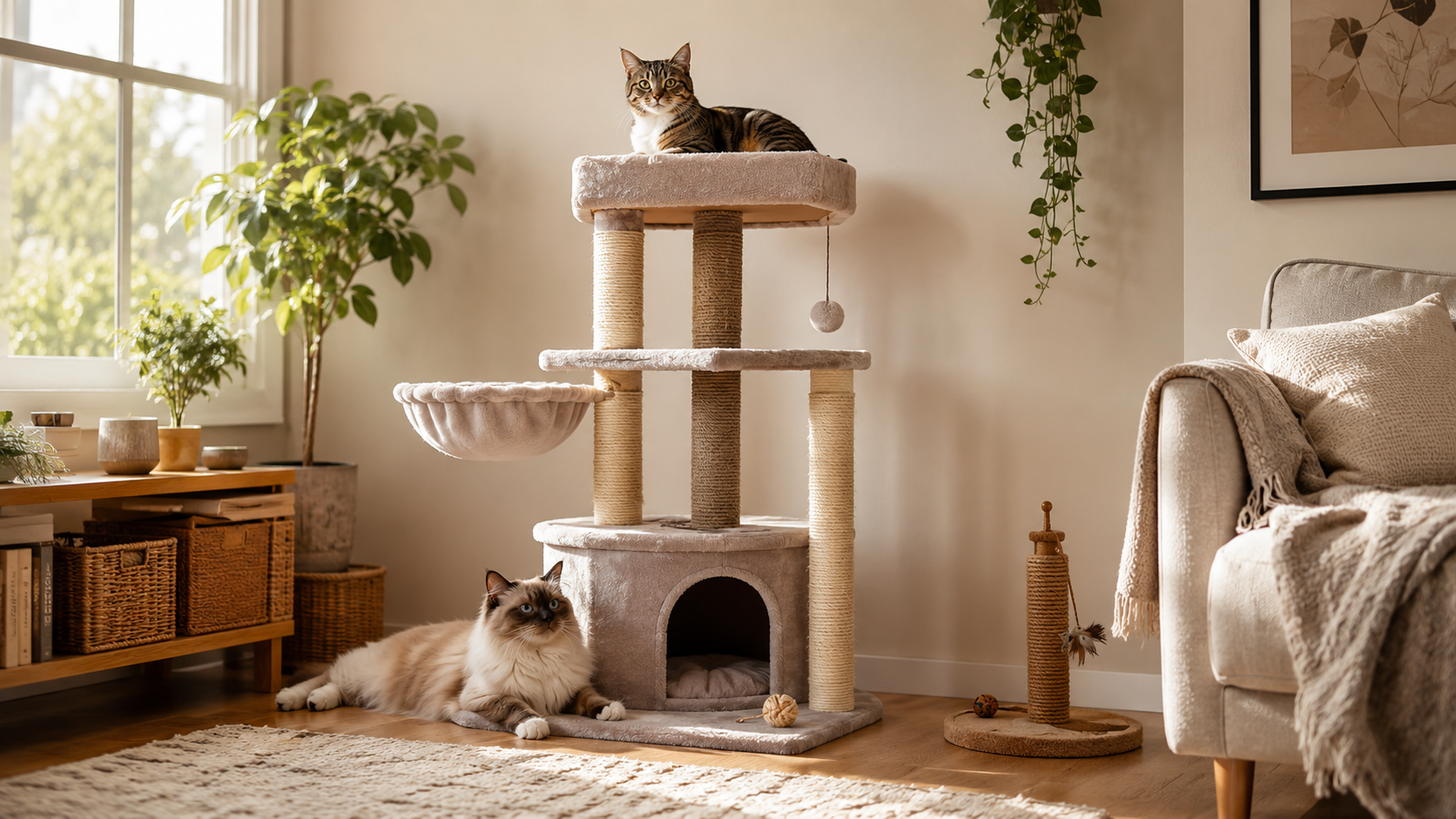
Best Cat Trees for Indoor Cats: How to Choose the Right One for Your Home
Indoor cats need more than food, water, and a cozy bed.
They need places to climb, scratch, stretch, nap, watch the room, hide when they want privacy, and feel like the home has spaces made for them. A good cat tree can help with all of that.
But not every cat tree is a good choice.
Some are too small. Some wobble. Some look pretty in photos but are uncomfortable for the cat. Some take up too much space. Others do not have enough scratching surface, resting spots, or stable platforms.
The best cat trees for indoor cats are the ones your cat will actually use every day.
This guide will help you choose a cat tree based on your cat’s size, personality, age, activity level, home space, and daily habits.
The Pet Room shares general pet lifestyle information. We do not provide veterinary or medical advice. For health concerns, mobility problems, sudden behavior changes, or safety questions about your individual cat, always speak with a qualified veterinarian.
Quick Checklist: What a Good Cat Tree Should Have
Before buying a cat tree, look for these features:
- stable base
- enough height for climbing
- scratching posts
- at least one comfortable perch
- soft resting area
- safe platform size
- easy-clean fabric
- strong frame
- design that fits your room
- features your cat will actually use
A cat tree should not only look good in your living room. It should give your cat useful vertical space, scratching options, and a comfortable place to rest.
If your cat is bored indoors, you may also like this guide: Best Cat Toys for Indoor Cats: Keep Your Cat Active and Happy
Why Indoor Cats Need Vertical Space
Cats naturally like to climb, perch, scratch, and watch their surroundings from higher places.
For indoor cats, vertical space can make a home feel bigger and more interesting. A cat tree gives them a place to move upward instead of only across the floor.
A cat tree can help with:
- climbing
- scratching
- resting
- playing
- watching the room
- feeling secure
- reducing boredom
- protecting furniture
- creating a cat-friendly corner
This is especially useful in apartments or smaller homes where floor space is limited.
A tall cat tree can add enrichment without taking over the whole room.
For more indoor pet setup ideas, read: Best Pets for Apartments
The Biggest Mistake: Buying for Decor First
Many owners choose a cat tree because it looks cute, modern, or matches the room.
That is understandable. Nobody wants a huge ugly tower in the middle of the living room.
But the first question should be:
Will my cat actually use this?
A pretty cat tree is not useful if:
- the platforms are too small
- the base wobbles
- the scratching posts are too short
- the resting beds are uncomfortable
- the tree is too hard to climb
- the fabric is difficult to clean
- the cat ignores it completely
The best cat tree balances your home style with your cat’s real needs.
Your decor matters, but your cat’s comfort should come first.
Match the Cat Tree to Your Cat’s Size
Cat size matters a lot.
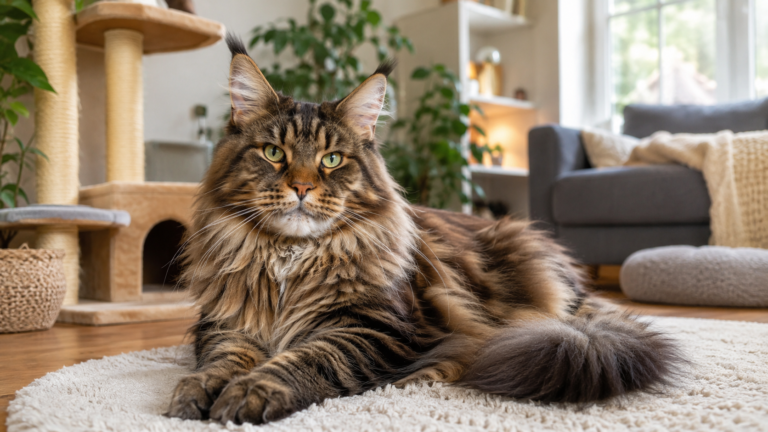
A small kitten, average adult cat, large Ragdoll, and heavy Maine Coon will not all need the same tree.
A small cat may be comfortable on narrow platforms. A larger cat may need wider perches, stronger posts, and a heavier base.
For Small Cats
Look for:
- easy climbing levels
- cozy beds
- smaller platforms
- scratching posts
- lower height if the cat is nervous
For Average Adult Cats
Look for:
- stable medium-height tree
- scratching posts
- at least one perch
- resting area
- play feature
For Large Cats
Look for:
- wide platforms
- strong posts
- heavy base
- large beds
- roomy hideouts
- sturdy construction
Large cats need more room to turn, stretch, and rest comfortably. A tiny platform may look cute but feel useless to them.
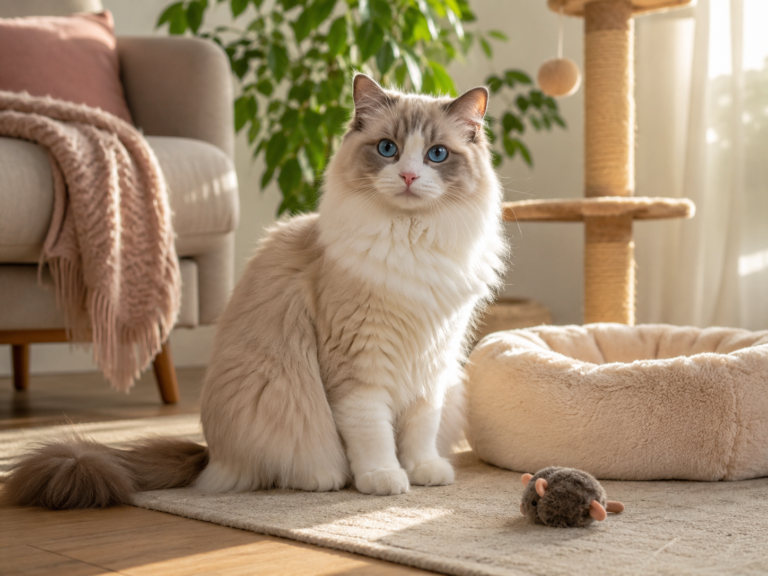
If you have a large breed cat, you may also like: Ragdoll Cat as a Pet: Is This Gentle Indoor Cat Right for You?
Choose the Right Height for Your Home
Cat trees come in many heights.
A tall cat tree is great for cats that love climbing and watching the room from above. But in a small apartment or narrow room, a very tall tree may feel bulky or unstable if it does not fit the space well.
Tall Cat Trees
Best for:
- active cats
- confident climbers
- homes with vertical space
- cats that love high perches
- multi-cat homes
Medium Cat Trees
Best for:
- most adult cats
- apartments
- living rooms
- moderate climbers
- owners who want balance
Low Cat Trees
Best for:
- kittens
- senior cats
- nervous cats
- cats that prefer lounging
- smaller rooms
A cat tree should fit both your cat and your room.
Measure the space before buying. Check ceiling height, floor space, and whether the tree will block walkways, windows, doors, or furniture.
Stability Matters More Than Looks
A cat tree must feel safe.
If it wobbles when your cat jumps on it, your cat may stop using it. Worse, an unstable tree can fall or scare your cat.
Look for:
- wide base
- strong posts
- solid frame
- good weight
- balanced design
- stable platforms
- positive reviews mentioning sturdiness
Avoid cat trees that look tall but have a tiny base.
A stable cat tree helps your cat feel confident climbing, scratching, and resting.
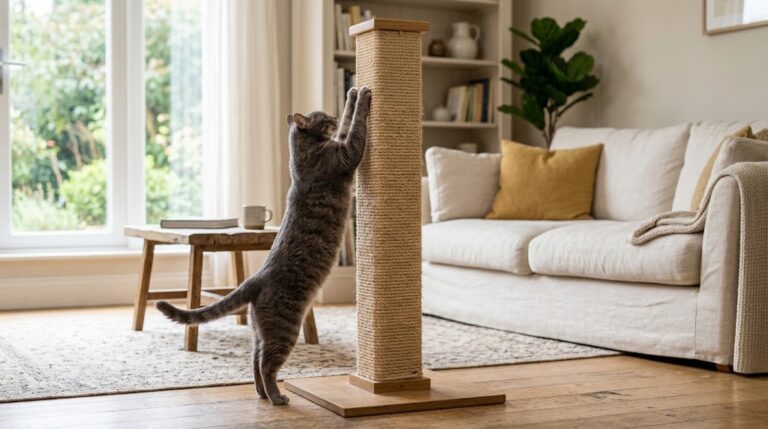
Scratching Posts Are Essential
A good cat tree should include scratching areas.
Scratching is normal cat behavior. Cats scratch to stretch, maintain their claws, mark territory, and release energy.
If your cat tree has good scratching posts, your cat may be less interested in scratching your sofa, rug, or curtains.
Look for scratching posts that are:
- tall enough for stretching
- wrapped in sisal or durable material
- easy to access
- placed where the cat naturally climbs
- strong enough for regular use
A cat tree without useful scratching areas is often less valuable.
If scratching is one of your main problems, choose function over style.
Perches, Beds, and Hideouts: What Does Your Cat Prefer?
Different cats like different resting spots.
Some cats love high open perches. Others prefer enclosed hideouts. Some want a soft bed. Some want a window view.
Think about your cat’s current behavior.
Choose More Perches If Your Cat:
- likes windows
- sits on shelves
- climbs furniture
- watches people from above
- enjoys being visible
Choose Hideouts If Your Cat:
- likes boxes
- hides under furniture
- gets nervous easily
- wants quiet resting spots
- prefers privacy
Choose Soft Beds If Your Cat:
- loves blankets
- naps often
- enjoys cozy corners
- likes warm resting places
The right tree should match the way your cat already relaxes.
Best Cat Trees for Small Spaces
You do not need a huge cat tree to make an indoor cat happier.
For small apartments, choose vertical designs that use height instead of width.
Good small-space features include:
- tall narrow design
- small footprint
- corner-friendly shape
- built-in scratching posts
- one or two perches
- simple resting area
- window-friendly height
Avoid wide bulky trees if your room is already crowded.
A compact cat tree can give your cat climbing, scratching, and resting space without making the room feel smaller.
Best Cat Trees for Multiple Cats
If you have more than one cat, choose a tree with enough space for more than one cat to use it at the same time.
Look for:
- multiple perches
- more than one sleeping area
- strong base
- several scratching posts
- wide platforms
- separate levels
- good weight capacity
Multi-cat homes need more options because cats may not always want to share the same platform.
If two cats compete for the top perch, a tree with several high resting spots can help.
Cat Tree Comparison Table
| Cat Tree Type | Best For | Watch Out For |
|---|---|---|
| Tall multi-level tree | Active cats, climbers, multi-cat homes | Needs space and strong stability |
| Compact vertical tree | Apartments, small rooms, window corners | May not fit large cats |
| Low cat tree | Kittens, senior cats, nervous cats | Less climbing enrichment |
| Tree with hideouts | Shy cats, cats that like privacy | Hideout must be large enough |
| Tree with many scratch posts | Cats that scratch furniture | Posts must be tall and durable |
| Modern wood-style tree | Decor-friendly homes | Comfort and grip still matter |
Best For / Avoid If
A Cat Tree Is Best For You If:
- your cat lives indoors
- your cat scratches furniture
- your cat seems bored
- your cat loves windows
- you want vertical enrichment
- you need a cat-friendly apartment setup
- your cat enjoys climbing or perching
- you want one product that supports scratch, nap, climb, and play
Avoid a Large Cat Tree If:
- you have no safe floor space
- your cat cannot climb comfortably
- the tree is unstable
- the platforms are too small
- your cat prefers low resting spots
- the design blocks daily movement in the room
A cat tree should improve the home, not create clutter or stress.
Where Should You Put a Cat Tree?
Location matters.
A good cat tree in the wrong spot may be ignored.
Try placing the cat tree:
- near a window
- in a quiet living room corner
- near family activity
- away from loud appliances
- where the cat already likes to rest
- where it does not block walkways
- near other cat items like toys or scratchers
Many cats love window views. A cat tree near a bright window can become a favorite spot for watching birds, people, cars, and outdoor movement.
Just make sure the tree is stable and the window area is safe.
Beginner Buying Mistakes
Many indoor cat owners make the same cat tree mistakes.
Avoid these:
- buying a tree that is too small
- choosing style over function
- ignoring stability
- buying tiny platforms for a large cat
- forgetting scratching posts
- putting it in a bad location
- choosing hard-to-clean fabric
- buying too short for an active climber
- buying too tall for a nervous cat
- ignoring your cat’s personality
The best cat tree is not always the biggest or most expensive one.
It is the one that fits your cat and your home.
Simple Daily Routine Example
A cat tree becomes more useful when it becomes part of your cat’s daily routine.
Here is a simple example:
Morning
Your cat climbs to the perch and watches the room while the house wakes up.
Midday
Your cat naps in the bed or hideout.
Afternoon
Your cat scratches the posts and stretches.
Evening
You use a wand toy near the cat tree to encourage climbing and play.
Night
Your cat rests on the perch or inside the cozy hideout.
A cat tree is not just furniture. It can become part of your cat’s daily enrichment.
Useful Cat Tree Products to Consider
- tall cat tree for indoor cats
- compact cat tree for apartments
- large cat tree for big cats
- cat tree with scratching posts
- modern wooden cat tree
- cat tree with hammock
- cat tree with hideout
- cat window perch
- wall-mounted cat shelves
- sisal scratching post
- cat grooming brush
- pet hair remover
Final Thoughts: What Is the Best Cat Tree for Indoor Cats?
The best cat tree for indoor cats is not the prettiest one, the tallest one, or the most expensive one.
It is the one your cat will actually use.
Look for a stable base, useful scratching posts, comfortable perches, safe platform size, easy-clean materials, and a design that fits your home.
Think about your cat’s size, age, energy level, confidence, and favorite resting spots.
A good cat tree gives your indoor cat a place to climb, scratch, nap, play, and feel at home.
For indoor cats, that can make a big difference.
Read Next
- Best Cat Toys for Indoor Cats: Keep Your Cat Active and Happy
- Ragdoll Cat as a Pet: Is This Gentle Indoor Cat Right for You?
- Best Pets for Apartments
- Best Pets for First-Time Owners
- Boston Terrier as a Pet: Is This Funny Small Dog Right for You?
- Best Dog Toys for Bored Dogs: Keep Your Dog Busy and Happy
One Comment